If Norway is calling your name, you’re in the right place. This is the home base for planning unforgettable trips, understanding everyday life here, and getting practical answers from someone who actually lives in Norway. Whether you are visiting for a long weekend in Oslo, road tripping the fjords, chasing the northern lights, or considering a move, I’ll guide you with real-life tips, clear explanations, and routes that actually work in our weather and terrain.
Short answer if you’re in a hurry: Norway is easy to enjoy when you have the right plan. Book early for summer, learn how public transport and ferries fit together, bring layers for every season, and be ready for card payments everywhere. If you’re moving, research residency rules, housing options, and the tax system before you arrive, and prioritize learning some Norwegian to make daily life smoother.
Let’s take a deeper dive into how to make Norway simple, memorable, and comfortable to navigate.
Start Here: How This Site Helps You
NorwayExplained is built to save you time. You’ll find city guides, step-by-step itineraries, scenic drives, hikes for all levels, and practical instructions for things like paying for parking, booking ferries, or grocery shopping on Sundays. I include what I wish visitors knew before they landed: travel seasons that feel very different, distances that look short but take longer, and local habits that help you blend in.
Tip: Bookmark this page. When you’re planning, return to it for quick links to transport, seasons, and regional highlights, plus moving and living guides if you’re settling in for the long haul.
Norway At A Glance
Norway stretches farther north than many expect, which means big seasonal shifts. Summer brings long days and open mountain roads. Winter delivers northern lights, quiet fjords, and reliable snow inland. The coast is mild but unpredictable. Most journeys involve a mix of trains, buses, and ferries, which are comfortable and well-run when you understand the system.
Language: English is widely spoken, especially in cities and tourist hubs. Still, a few Norwegian phrases go a long way.
Money: Card and contactless are accepted almost everywhere. ATMs are rare compared to many countries.
Sunday trading: Many shops are closed or have limited hours, with exceptions in tourist zones and small convenience stores.
Plan Your Trip: The Basics That Matter
Start by choosing your season and pace. Norway rewards slowing down. One fjord region done well beats five rushed viewpoints in a day. Trains and express boats connect major points smoothly; rental cars unlock small villages and trailheads.
What to book early: Summer car rentals, scenic train seats on the Flåm Railway, popular fjord cruises, and unique stays like rorbuer cabins in Lofoten. In winter, northern lights tours and dog sledding fill up fast in Tromsø and Alta.
Packing: Dress in layers. Always include a waterproof shell, warm mid-layer, hat, and gloves outside midsummer. Sturdy shoes help even in cities with cobblestones and occasional ice.
Top Places To Explore
Norway offers famous hits and quieter corners. A few anchors:
Oslo: Contemporary architecture, fjord saunas, museums like the Fram and the new National Museum. Walkable neighborhoods, excellent food halls, and easy day trips to the forested Marka.
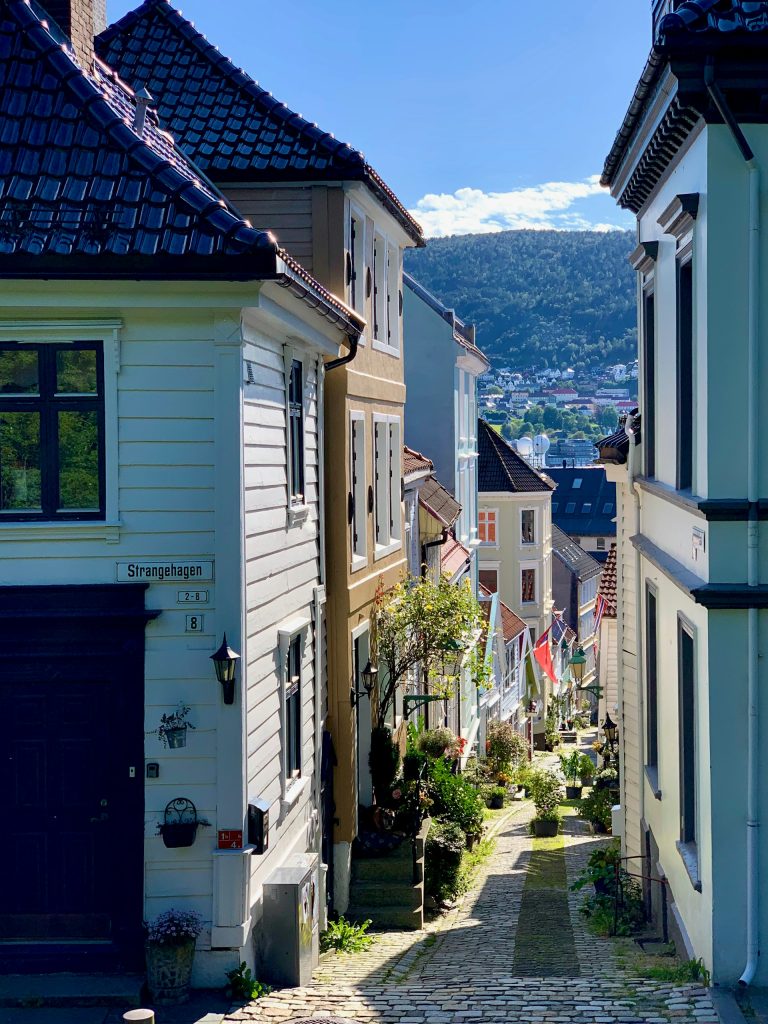
Bergen: Colorful Bryggen, gateway to the fjords, compact and charming with quick access to viewpoints like Fløyen and Ulriken.
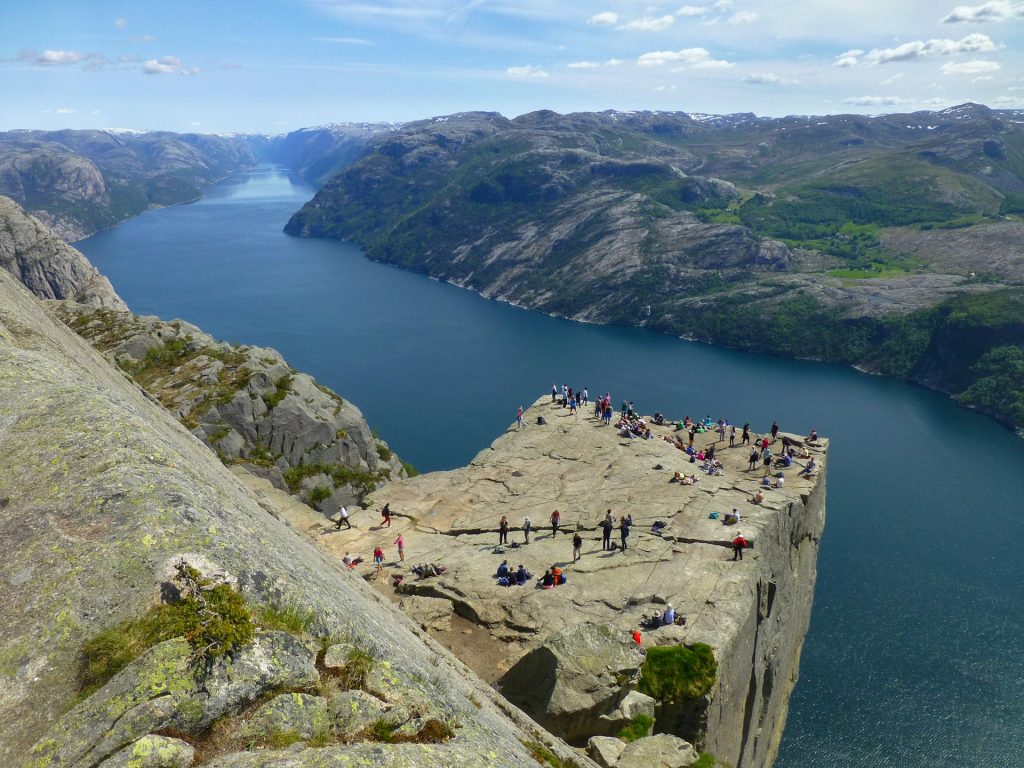
The Fjords: Hardanger for orchards and waterfalls, Sognefjord for wide waters and epic side valleys, Geiranger for vertical drama.
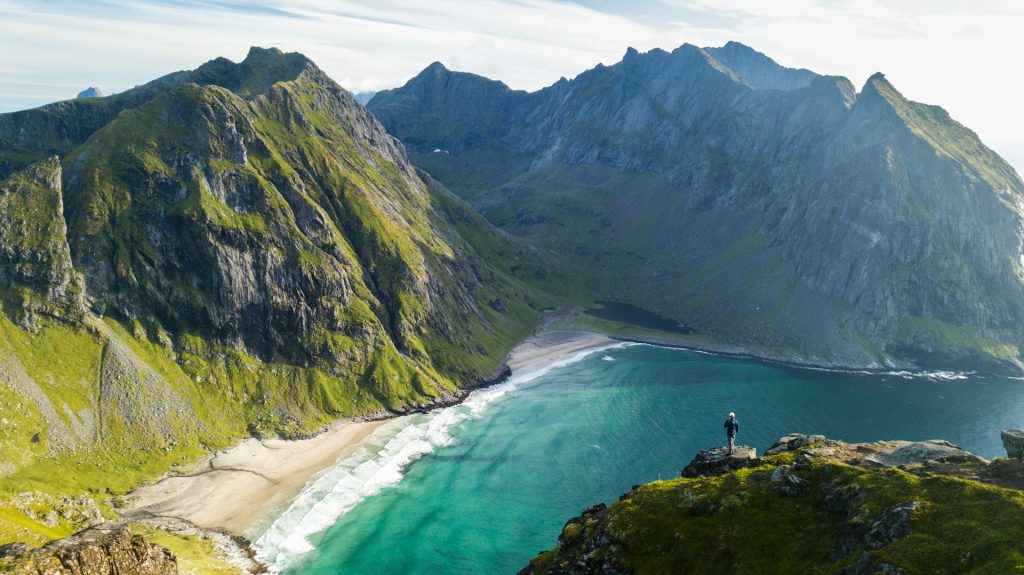
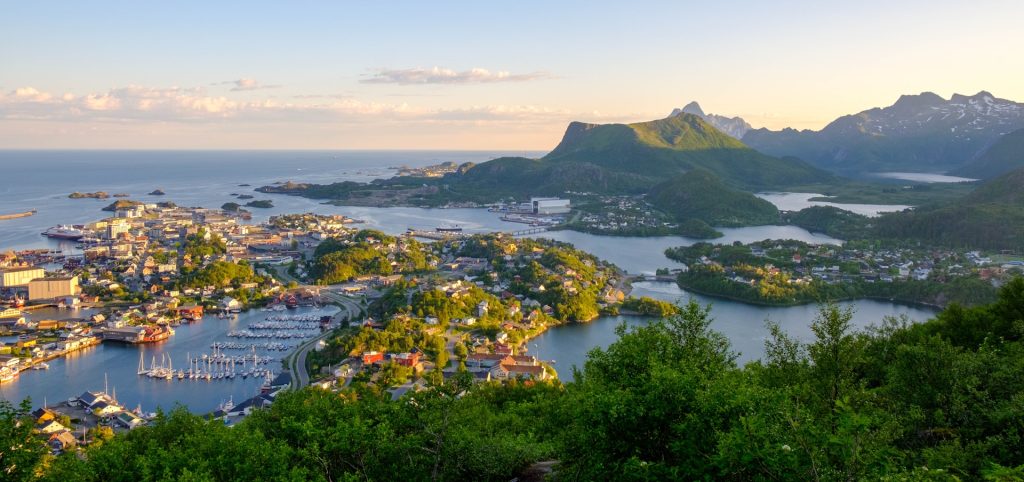
Lofoten: White-sand beaches, photogenic fishing villages, hiking and surfing. Book well ahead in summer.
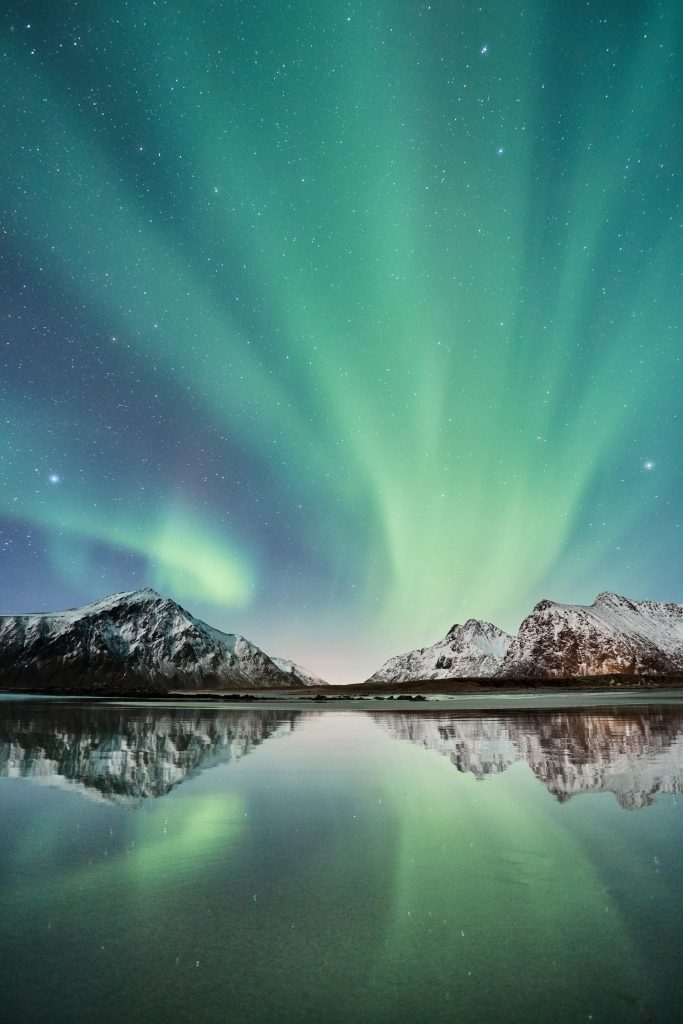
Northern Norway: Tromsø for northern lights and midnight sun, Senja for quieter fjord-and-peak scenery, Alta for culture and winter activities.
The Mountains: Jotunheimen for classic hut-to-hut hiking, Rondane for gentler ridgelines, and Telemark for traditional stave churches.
Getting Around Without Stress
Public transport is clean, reliable, and scenic. Trains cover long legs, buses connect valleys, and ferries stitch the coast and fjords together. In cities, you tap in with an app or buy tickets at kiosks. In rural areas, buses may run less frequently; build cushions into your schedule.
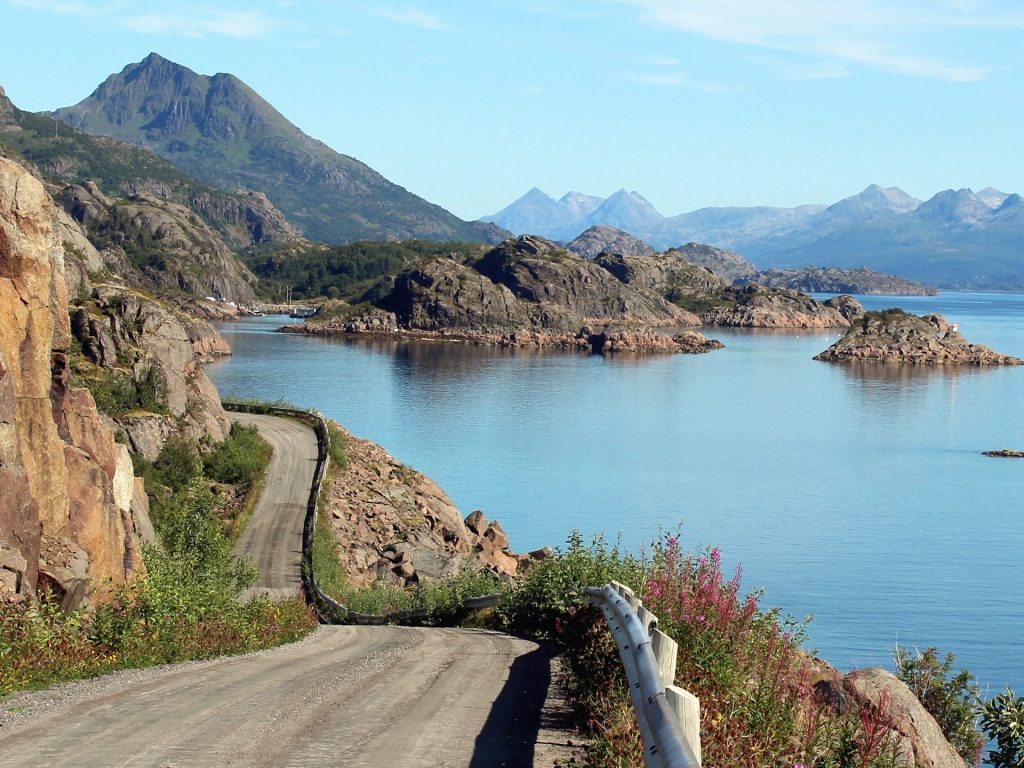
Driving: Roads are safe, but speeds are lower than many visitors expect and cameras enforce limits. Mountain passes can close in heavy weather. Always check conditions and allow time for ferries when routing along the fjords.
Parking: Most payment is via apps or card. Learn local rules for residential zones and maximum durations to avoid fines.
Seasonal Norway: What Changes And What To Expect
Summer (June–August): Long daylight, open mountain roads, busy fjord towns. Book in advance. Bring eye shades for late sunsets and early sunrises.
Autumn (September–October): Crisp air, fewer crowds, bright foliage. Some mountain services wind down; weather turns mixed.
Winter (November–March): Northern lights in the north, skiing across the country, cozy cities. Short days mean plan fewer activities per day. Dress warm and waterproof.
Spring (April–May): Waterfalls roar, fruit trees bloom in Hardanger, shoulder-season prices, and still-chilly evenings.
Norway Outdoors: Simple Rules For Big Landscapes
The right-to-roam tradition opens huge areas for hiking, skiing, and camping. Respect it. Stay on marked paths where possible, pack out all trash, and avoid disturbing grazing animals and bird nesting areas. Weather changes fast, especially near the coast and at elevation. Tell someone where you’re going and carry the basics: water, snacks, map, and layers.
Safety first: If a trail or ridge looks questionable, it probably is for the day’s conditions. Norway’s beauty will be there tomorrow too.
Food And Everyday Essentials
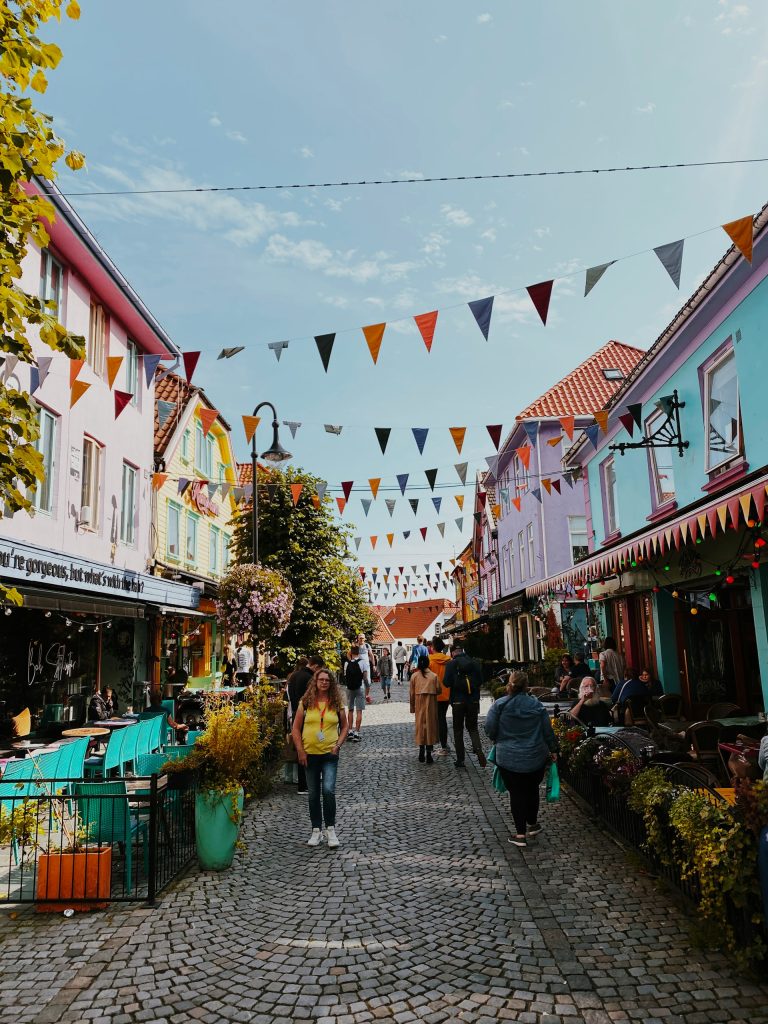
You can eat well on any budget. Bakeries and food halls are reliable, and supermarkets are straightforward once you know the basics. Quick lunches may be simple sandwiches, fish soups, or hot dogs from stands that punch above their weight. Coffee culture is strong; even remote places take pride in a good brew.
Dietary needs: Vegetarian options are common. Vegan options exist, especially in cities, but check menus in smaller towns.
Culture And Etiquette
Norwegians are friendly but reserved. Small talk is light. Queues matter. Quiet public spaces are appreciated, especially on trains. Shoes off in private homes. If you’re joining a sauna session or a hike, bring your own essentials and be punctual. Tipping is not mandatory, but rounding up or leaving 5–10 percent for good service is appreciated.
City Breaks, Road Trips, And Scenic Rails
If you have a few days, consider Oslo plus the Oslofjord, or Bergen with a fjord day trip. With a week, build a triangle such as Oslo–Bergen by train, fjord days by boat and bus, and a return via a different rail route. For drivers, combine Sognefjord or Hardanger with a mountain loop, stopping at smaller villages and local bakeries that rarely make the brochures.
Scenic trains: The Bergen Line and Rauma Line are worth it for the views alone. If you’re sensitive to crowds, go early or outside peak months.
Moving To Norway: What To Know Before You Pack
Relocation is possible with planning. Understand your residency category first: work, study, family immigration, or EU/EEA rules. Housing is competitive in cities, and deposits are typically three months. Expect thorough documentation for rentals, bank accounts, and tax registration.
Work culture: Strong work-life balance, direct communication, and trust-based systems. Vacation time is respected.
Healthcare: Public care is high quality with modest out-of-pocket costs through the GP system once you’re registered.
Language: You can manage with English at work in many sectors, but Norwegian opens doors socially and professionally.
Living In Norway: Daily Rhythm And Cost Of Living
Yes, Norway can feel expensive, but locals manage by cooking at home, watching seasonal sales, and using public transport and outdoor recreation that costs little. Cities have strong cultural calendars, while smaller towns revolve around local sports clubs and outdoor life. Winter routines include skis in hallways and spikes on shoes when streets get slick. Summer means grilling in parks and long evenings at cabin terraces.
Practical tip: Set up Vipps, the mobile payment app many Norwegians use for everything from flea markets to splitting a café bill.
Responsible Travel And Respectful Visits
Being a good guest keeps places special. Stick to marked parking, use toilets where provided, and do not fly drones near livestock or people without checking local rules. If you’re photographing iconic spots, take your time, yield space, and remember that villages are work places for the people who live there year-round.
Wildlife: Keep distance from reindeer and seabirds. Never feed animals. Coastal winds and cliff edges are stronger than they look.
Where To Go Next On The Site
Use the city guides for Oslo and Bergen if you’re in the planning phase. If fjords are your dream, start with Sognefjord or Hardanger. Northern lights on your mind? Head to Tromsø planning guides and winter packing lists. Considering a move? Read the step-by-step residency, housing, and tax basics before you book flights.
If you keep one idea from this page, let it be this: Norway rewards curiosity and patience. Pick a region, linger a little longer, and let the landscape set the tempo.