Norway is not just fjords and northern lights. It is also long winters, quick weather changes, and homes that must work hard to stay warm. As a Norwegian who grew up scraping frost off windows and learning to stack firewood straight, I can tell you our approach to heating is practical, layered, and surprisingly modern. We combine smart technology with old habits that have been refined over generations.
If you are wondering how Norwegians heat their houses, the short answer is this: most homes use electricity as the backbone, often with air-to-air heat pumps, panel heaters, and underfloor heating, then add wood stoves or district heating where it fits. Insulation and air sealing matter as much as the heat source itself. Choices vary by region, house type, and personal taste.
Curious how it all works in real life and what might suit your home or rental in Norway. Let’s take a deeper look at the systems, habits, and small tricks that keep Norwegian homes comfortable all winter.
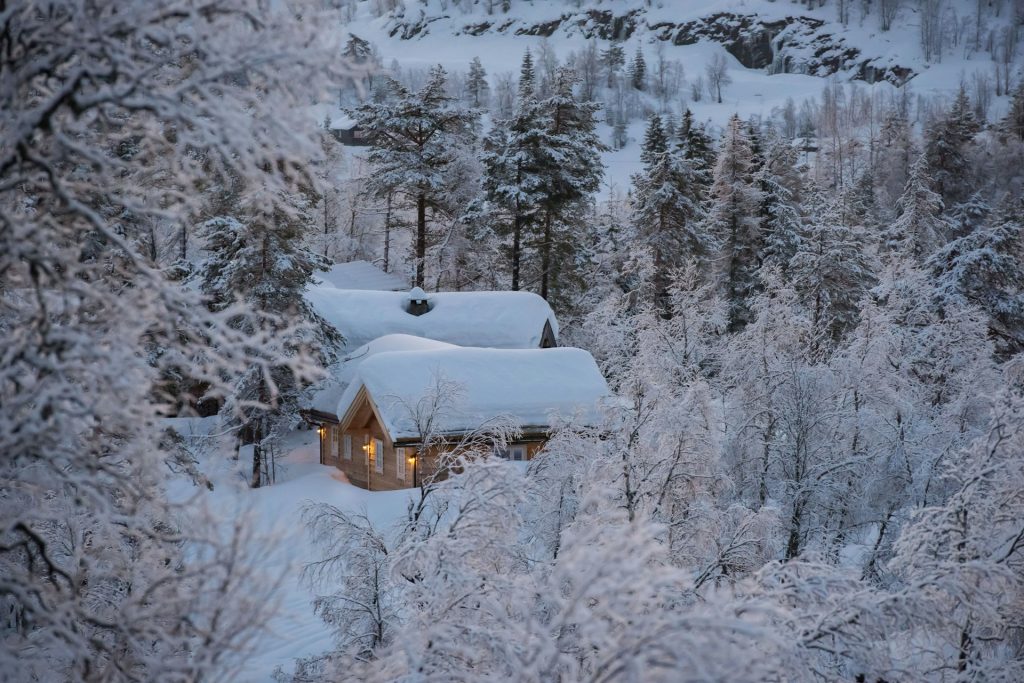
The Norwegian Heating Mindset
We do not rely on a single system. Most households layer multiple solutions and let the weather decide which one does the heavy lifting. The goal is comfort with control. That means steady background heating, quick boosts when a snow squall hits, and smart tools that avoid wasting power. It also means thinking about the building first. Good insulation, proper windows, and controlled ventilation lower your energy needs so any heat source can work efficiently.
When you walk into a typical Norwegian home in January, you will notice two things: warm floors and even temperatures from room to room. Drafts are the enemy. We design to avoid them.
Electric Heating: The Reliable Backbone
Electricity powers the bulk of Norwegian home heating. Hydropower is the reason electricity historically became the default in houses built from the 1970s onward. You will find several electric options working together.
Panel Heaters
Wall mounted panel heaters are everywhere. They are simple, clean, and easy to control individually. Bedrooms, home offices, and entryways often have their own panel with a thermostat. The trick is to set them to realistic targets. Aim for 19 to 21 degrees Celsius in living rooms and a bit cooler in bedrooms. Many of us lower the setpoint during the day if the house is empty.
Personal tip: In older apartments, I keep panels slightly warmer in rooms facing the wind and a little cooler on the sheltered side. It evens out the comfort without pushing the whole home hotter.
Underfloor Heating
Underfloor heating, especially in bathrooms and tiled areas, is a Norwegian favorite. Dry floors, no visible radiators, and very even heat. It is usually electric in apartments and bathrooms, and water based in larger houses where it can connect to a heat pump. Because floors are slow to heat and cool, you set them to a steady temperature and avoid big daily swings. A stable setpoint saves energy and feels better.
Smart Thermostats And Zoning
Norwegians love a bit of smart control. Room by room thermostats and smart plugs help you nudge temperatures without overheating the whole home. Modern thermostats can follow a weekly schedule, drop the temperature at night, and bump it back before you wake up. If you rent, ask your landlord before swapping thermostats. Even small zoning adjustments can cut costs in winter.
Heat Pumps: The Workhorse For Most Homes
If there is one device that changed home comfort in Norway, it is the air-to-air heat pump. You will see an outdoor unit perched on a wall or a small stand, and an indoor head mounted high on a living room wall. These pumps pull heat out of cold air and multiply the useful heat you get from every kilowatt of electricity. Good models keep working in subzero temperatures common in inland valleys and the north.
The real art is placement. The indoor unit should blow into a central area so the warm air flows down hallways and into nearby rooms. Keep doors open when you can. Clean filters every month in winter. I usually do it when I put out the paper recycling, to make it a routine.
In larger or newer homes, water-based heat pumps paired with underfloor loops or radiators can heat the whole building quietly and efficiently. They cost more upfront but make sense if you plan to stay in the house for years.
District Heating: Common In Cities And Newer Developments
In parts of Oslo, Bergen, Trondheim, and several mid-sized towns, you may encounter fjernvarme, or district heating. A central plant produces hot water that flows through insulated pipes to multiple buildings. Your home gets a heat exchanger instead of a boiler. It is tidy, low maintenance, and works well in dense areas with apartments, offices, and public buildings.
From a resident’s point of view, district heating feels like a constant that just works. You control heat with a thermostat, and a service company handles the big equipment. It can be a plus if you dislike managing hardware at home.
Wood Stoves: Culture, Comfort, And Backup Heat
Ask a Norwegian about a vedovn and you will likely get a small smile. Wood heat is not just practical. It is cultural. Many homes have modern, clean burning stoves that meet strict standards. They turn a cold evening into something cozy and reassuring, especially when the wind is howling off the fjord.
Firewood is typically purchased by the cubic meter and stacked to dry. We take stacking seriously. Dry wood is everything. Damp logs waste heat and soot up the flue. If you move into a house with a stove, have the chimney inspected and swept before heavy use. Use small kindling, open the air fully at start, and let the fire get bright before turning it down. The result is more heat and far less smoke.
I keep a rack of birch near the back door in winter. When electricity prices spike or a storm knocks out power, the stove carries the living room and kitchen easily. If you have underfloor heating, the warm mass plus wood heat is a comfortable combination.
Pellets, Gas, And Other Niche Options
Pellet stoves exist but are less common than wood stoves. They are convenient, with controlled feed and steady output, but you need storage space and regular deliveries. Gas heating is rare in Norwegian homes, usually seen in a few older buildings or as portable patio heaters. Most Norwegians simply prefer the simplicity and safety of electric and heat pump solutions.
Insulation, Windows, And Ventilation
The quiet hero of Norwegian heating is the building envelope. Thick insulation in roofs and walls, modern triple glazing, and tight but controlled air exchange keep warmth inside. Many houses use balanced ventilation with heat recovery to bring in fresh air without losing heat. If the place you rent feels drafty, small steps help. Seal obvious gaps around window frames, add a heavy curtain over the front door, and use a draft stopper along old thresholds. Lower heat loss beats turning up the thermostat.
In older timber houses, look for cold bridges around corners and floors. A simple infrared thermometer can show you where heat leaks out. If you own the home, upgrading attic insulation usually gives the fastest comfort boost.
Regional Differences Across Norway
Norway is long and diverse. Coastal areas from Rogaland to Nordland are milder but windy and damp. Heat pumps do well there because winter temperatures hover within their sweet spot. Inland valleys and the far north, like Innlandet or Finnmark, see steady deep cold. There you will find more layered solutions: a heat pump for most days, panel heaters in bedrooms, and a wood stove when the real cold hits.
Cabins are another story. Many hytter are part time homes with a wood stove as the main source, sometimes supported by an air-to-air heat pump. People arrive on Friday night, start a quick fire, switch on the pump, and the place is toasty by the time the stew is ready.
Managing Costs And Comfort
Electricity prices can vary through the day and across regions. Most homes now have smart meters and access to time based tariffs. If your utility offers price by the hour, consider shifting heavy use like hot water production and laundry to lower price periods. Heating is trickier, because comfort matters, but you can gently preheat living spaces ahead of peak hours and let well insulated rooms coast.
A few small habits pay off consistently:
- Keep indoor doors open around the heat pump so warm air moves freely. Close them only when you truly need privacy or noise control.
- Lower bedroom temperatures slightly. Sleep quality tends to improve, and you save energy without noticing it.
- Use heavy curtains in big window areas at night. They cut radiant cooling.
- Vent quickly, not constantly. In winter, open a window wide for a short burst to refresh air, then close it. Do not leave a small gap all day.
Safety And Maintenance
Staying warm is not worth much if safety is ignored. If you use a wood or pellet stove, install a carbon monoxide alarm and test it regularly. Have the chimney swept annually before peak season. Heat pumps need attention too. Clean or replace filters every month in heavy use, and brush off snow drifts from the outdoor unit after storms. For underfloor heating, verify that thermostats read correctly and that circuits heat evenly.
Landlords in Norway are generally responsive to heating issues, but do communicate clearly. If a room never reaches set temperature, document the readings and ask for an inspection. Sometimes the fix is as simple as moving a thermostat away from a sunny spot.
Renting In Norway: What To Expect
If you rent, you will likely find a mix of panel heaters and one heat pump. Ask which rooms are meant to be the warm core and which are designed for cooler use. Many leases specify that tenants cover electricity, so it is worth understanding the control system from day one. Take a half hour to set schedules and baseline temperatures. It pays back immediately when winter settles in.
In apartment buildings with district heating included in common charges, you will only manage room thermostats. That can be relaxing. It also means you keep an eye on ventilation and window use, since those are the levers you control.
New Builds And Energy Standards
Newer Norwegian homes focus on low energy use from the start. Builders aim for tight envelopes, thick insulation, and heat recovery ventilation. Water based underfloor heating fed by a heat pump is common in these houses, because it delivers gentle, even warmth at low temperatures. From a daily life perspective, you get quiet comfort and a system that rarely asks for attention.
If you are moving into a new development, ask for a short handover tour of the heating and ventilation controls. Understanding the logic behind setpoints and schedules helps you avoid the common trap of fighting the system with manual overrides.
How Norwegians Actually Live With Heat
At home on a winter Wednesday, you will see the pattern. The heat pump hums along, underfloor loops keep the bathroom cozy, and panel heaters touch up a study or bedroom. A storm rolls through, temperatures dip, and someone sets a match to kindling. The dog drifts toward the stove, kids drop wet mittens on the hearth tiles, and the living room turns into the warmest corner of the world.
That is the heart of heating in Norway. Sensible systems, tuned to the house. A bit of smart tech. A stack of dry birch in reserve. And the quiet satisfaction of stepping in from a snowy evening into air that holds you gently, from warm floors to calm rooms.