Norway has a reputation for order, rules and tidy systems. That part is true. But living here my whole life has also taught me that Norway quietly trusts people a lot. That trust shows up in everyday freedoms that surprise many visitors and new residents. Several things you might assume are off limits are not only permitted but part of normal life.
The short answer is that Norway’s “surprisingly legal things” come from a mix of common sense, the right to roam, and personal responsibility. You can wild camp almost anywhere, pick berries and mushrooms for free, swim in most waters, fish in the sea without a license, hitchhike, ride a bike on the sidewalk at walking speed, breastfeed anywhere, sauna and swim nude in the right contexts, and even sleep in your car if you are parked legally. There are conditions on many of these, but the baseline is that you are trusted to behave sensibly.
Curious what that looks like in practice, and where the boundaries are? Let’s take a deeper dive into the world of surprisingly legal things in Norway.
Wild Camping Is Legal Almost Everywhere
The most famous freedom in Norway is allemannsretten, the right to roam. This traditional right lets you access uncultivated land on foot, skis or bike, and it includes the right to put up a tent. The key rules are straightforward: stay at least 150 meters from the nearest occupied house or cabin, camp no more than two nights in the same spot on lowland areas, and leave the place as you found it. In the mountains and remote forests, longer stays are fine if you keep a low impact.
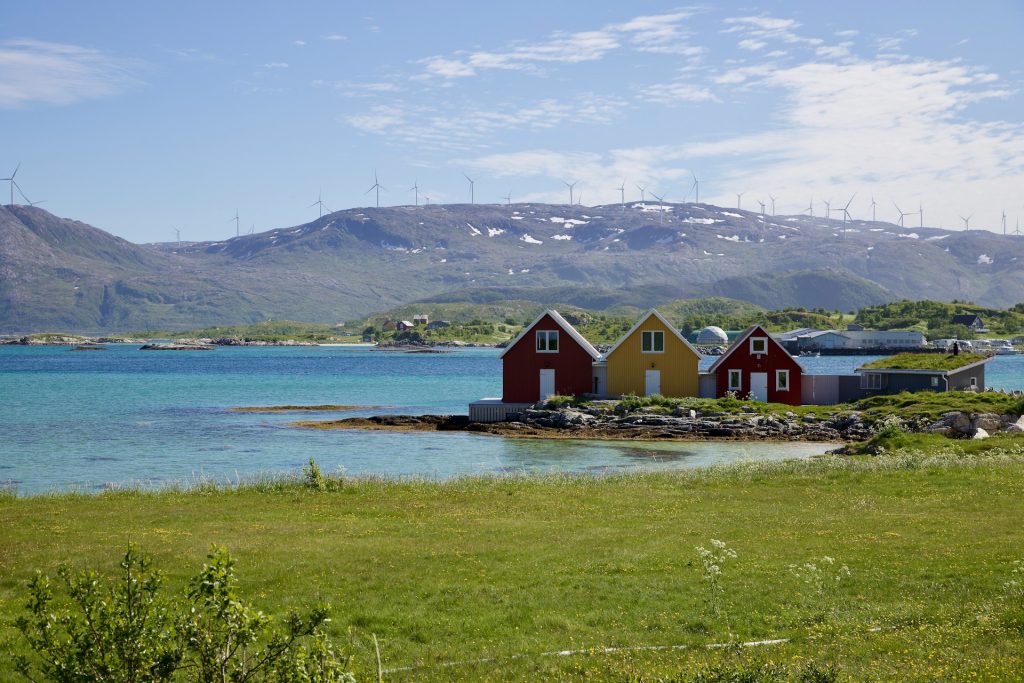
This is not just a technicality. Norwegians use it. On spring weekends you will see small tents by lakes and coastal headlands, and in summer it is completely normal to camp on islands or along fjords as long as you show respect. If you want to feel like a local, bring a small trash bag and leave your spot cleaner than when you arrived.
Foraging Berries and Mushrooms Is Free
Another part of the right to roam lets you pick wild berries, mushrooms and flowers for personal use. Blueberries, lingonberries and cloudberries are the big prizes. In late August and early September, half the population seems to be out with small buckets. The only unwritten rule is courtesy: if someone clearly has “their” patch, share the space and move on if they were there first. Also, cloudberries can be a touchy subject in a few northern areas with local traditions, so ask a local if you are unsure.
As for mushrooms, many Norwegians learn two or three safe species and leave the rest. If you are new to foraging, stick to easily identifiable varieties or join a local mushroom walk. The legal part is easy; the safety part still needs your judgment.
Sea Fishing Needs No License
If you stand on a pier or a rocky shoreline, you can fish the sea for free without a license. You can also fish from a small boat in the fjords. Sea trout, mackerel and cod are common targets. There are size limits and seasonal protections for some species, and in certain fjords there may be health advisories about eating fish due to legacy pollution, but the right itself is simple and open to everyone.
Freshwater is different. Rivers and lakes usually require a local fishing permit, often sold at gas stations or online for a modest fee. If you plan a weekend of trout fishing in the mountains, budget for that. But if you just want an hour with a line at sunset by the fjord, no paperwork is needed.
Swimming Almost Anywhere Is Normal
Norwegians treat water as public space. Wild swimming is legal in most lakes, rivers and the sea, whether it is January with an ice hole or July on a golden evening. Urban bathing spots are signposted, but many people simply pick a safe entry point and go. Use common sense: check currents, avoid private docks unless invited, and stay clear of ferry lanes and busy marinas.
If you are in Oslo, Bergen, Trondheim or Stavanger, you will see people jumping in before work, after work and sometimes at lunch. No one cares what you look like or how long you stay. Bring a towel and you are one of us.
Biking On the Sidewalk Is Allowed at Walking Speed
Here is one that surprises many: you can legally ride a bicycle on the sidewalk if you keep a walking pace and yield to pedestrians. It is expected that you slow right down when passing children, dogs or older people. In practice, most cyclists prefer bike lanes when available, but in tricky stretches or with kids in tow, hopping onto the sidewalk is a normal, legal choice.
Helmets are widely used but not legally required for adults or children. If you are used to mandatory helmet laws, that may feel odd. We recommend a helmet, but the law leaves the decision to you or your child’s guardians.
Hitchhiking Is Legal and Common in Rural Areas
Hitchhiking is legal in Norway. It is not as common as it was decades ago, but in rural areas, especially in the north and along scenic roads with sparse buses, people still do it. Avoid standing on motorways or where it is unsafe to stop, and choose a spot with good visibility and space for a car to pull over. If you are patient and friendly, you will usually get a lift, particularly from other hikers or locals heading to the next village.
Public Breastfeeding Is Fully Protected
Norway is very child friendly. Breastfeeding in public is legal anywhere you are allowed to be, and it is utterly unremarkable. Cafes, shopping centers, museums and trail shelters are all fine. If you need a quiet corner, most places will happily help you find one, but you will not face pushback for feeding your child.
Sauna and Skinny Dips Are Fine in the Right Places
We grew up with saunas in basements and cabins. Nude saunas are normal in many contexts, especially single-gender sessions or private saunas. In mixed public saunas, some people wear swimsuits, others use a towel. After a sauna, jumping naked into the fjord from a dedicated bathing ladder or a floating sauna platform is widely accepted. Use discretion in busy urban spots and check the local sauna’s house rules. Outside of those contexts, keep swimwear on at family beaches.
Sleeping in Your Car Is Legal if You Park Legally
Road-trippers, rejoice. It is legal to sleep in your car, campervan or tent mounted on a car as long as you are parked where overnight parking is allowed and you are not within the 150-meter zone of an occupied house or cabin without permission. Many rest areas and trailhead lots tolerate one night. Avoid blocking farm access roads and always read local signs. A simple rule I use: if there is zero chance someone needs the space for work in the morning, it is probably fine.
Drones Are Legal With Clear Rules
Flying recreational drones is legal if you follow national aviation rules. Stay away from airports, keep line of sight, respect altitude limits and avoid flying directly over crowds or private property without permission. Many popular scenic areas publish clear maps and signage. If you keep to wide open landscapes and do not buzz people, you will be within both the law and local etiquette.
Dashcams Are Legal
Using a dashboard camera in your car is legal. The main caveats are privacy and data handling. Do not share footage that identifies people without a valid reason, and be mindful of how you store or publish recordings. For most travelers, this simply means you can record your drive along the Atlantic Road or Trollstigen for your own memories.
Beach Access Is Public
Even where the shoreline borders private land, you can usually walk along the coast on uncultivated ground and access the shore for bathing and picnics. If a beach is right in front of a private house, keep your distance and be considerate. As a rule, low tide areas and rocky shores are safe choices. Bring what you need, and take everything back out with you.
Small Campfires Are Allowed When It Is Clearly Safe
Norway has a general seasonal restriction on open fires in and near forests, typically from 15 April to 15 September. Even during this period, small fires are allowed if it is obviously safe, for example on bare sand by the sea, in a designated fire pit, or after significant rain when there is no risk of spreading. Outside the restriction period, normal campfire caution applies year round. The spirit of the law is simple: if there is a fire risk, do not light one. If it is clearly safe, enjoy your coffee.
Selling Sex Is Legal, Buying Is Not
People are often surprised by this one. In Norway it is legal to sell sexual services, but illegal to buy them. The intent is to target demand and reduce exploitation. In daily life you will not encounter this unless you deliberately seek it out, but it is useful context if you are reading local news or curious about Norwegian law.
What Stays Illegal Despite Assumptions
Since we are clearing myths: pepper spray is illegal, and carrying knives in public without a legitimate purpose is also illegal. Public drinking is generally restricted by local regulations, and you can be fined if you drink in places where it is not allowed or if you cause a disturbance. Off-road driving with motor vehicles is highly restricted to protect nature. If you are unsure, ask a local or check municipal pages before assuming it is fine.
How To Stay On the Right Side of These Freedoms
A few habits keep you well within the law and the culture:
- Read signs and respect local notices. Many freedoms come with seasonal or location-specific exceptions.
- Think like a host, not just a guest. Leave spots cleaner than you found them, give people space and keep noise down at night.
- When in doubt, ask. Norwegians can seem reserved, but if you ask a practical question, you will get a straight answer.
- Err toward safety. Whether it is a campfire, a swim or a drone flight, if it looks borderline, choose the safer option.
Norway’s surprisingly legal things make travel and daily life here feel spacious and low friction. They are not loopholes; they are part of a social contract that trusts you to enjoy nature and public space without making it worse for the next person. If you can meet the country at that level, you will fit right in.