Kvikk Lunsj is not just a chocolate bar in Norway. It is the taste of crisp mountain air, wet wool mittens drying by a cabin stove, and that small moment on a summit when you pause, break off a finger, and look out at the view. For visitors, eating Kvikk Lunsj is one of the easiest ways to plug into everyday Norwegian life. You’ll spot it everywhere from Oslo kiosks to remote ski huts, and especially in Easter season when the bright striped wrapper is practically part of the landscape.
So what’s the big deal? In short: Kvikk Lunsj is a milk chocolate–coated wafer with four “fingers” you can snap apart, made for pockets and backpacks. It’s affordable, sturdy in cold weather, and the taste is simple and nostalgic. Norwegians eat Kvikk Lunsj on hikes, at ski trails, on ferry decks, during road trips, and in office break rooms. If you want to blend in, toss one in your daypack next to a thermos and an orange.
Let’s take a deeper dive into the world of eating Kvikk Lunsj in Norway.
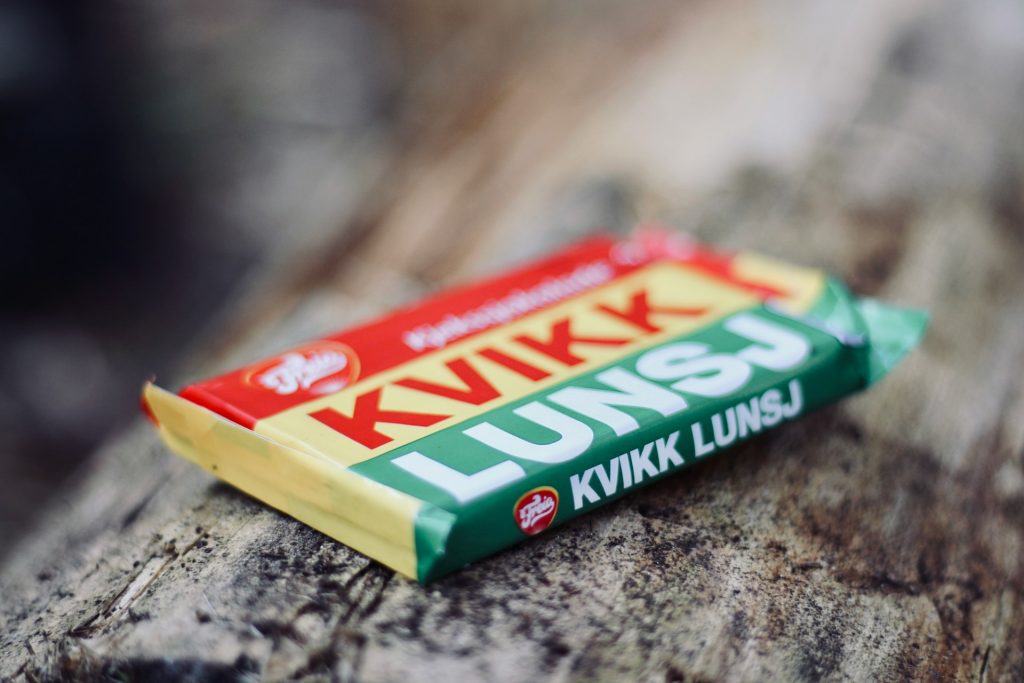
What Kvikk Lunsj Actually Is
Kvikk Lunsj is a chocolate-covered wafer bar with four breakable fingers. The texture is crisp but not hard, and the chocolate is mild, leaning sweet and milky. Each finger snaps neatly, which makes it easy to share or to ration for multiple rest stops on a long walk. The classic wrapper carries the colors red, yellow, and green, and for many of us it’s a visual shorthand for “we’re going outside today.”
While you’ll find seasonal packaging and occasional special editions, the classic taste remains the country’s favorite. It’s that consistency that makes it such a dependable “tur” snack. The bar holds up well in a jacket pocket in winter and doesn’t crumble to dust in a backpack.
Why Norwegians Eat Kvikk Lunsj on Hikes
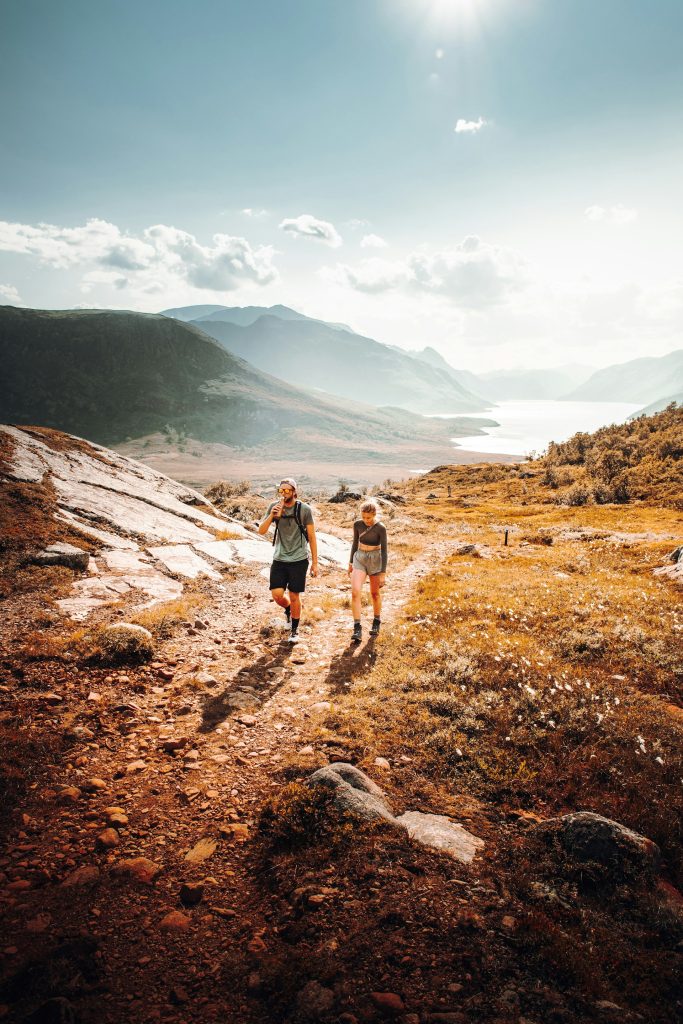
We have a word here: “tur.” It simply means going out, whether that’s a city stroll, a forest walk, a ski tour, or a mountain trek. Kvikk Lunsj belongs to “tur” the way coffee belongs to morning. The tradition grew because the bar is compact, energizing, and doesn’t require any special handling. In winter, chocolate stays firm and satisfying; on a breezy summer peak, it’s still easy to break and share.
There’s also a cultural layer. The wrapper often features the Norwegian Mountain Code (Fjellvettreglene), a set of safety tips that every hiker and skier grows up with. That message literally wraps the snack in “outdoor common sense,” which helps explain why parents tuck Kvikk Lunsj into kids’ pockets on ski days and why you’ll see it in every cabin pantry.
The Classic Pairing: Kvikk Lunsj and Oranges
If you want to do it the Norwegian way, pair your Kvikk Lunsj with a fresh orange. Especially around Easter, families pack a few oranges and a bar or two for the ski tracks. The juicy, bright flavor cuts through the sweetness of the chocolate and wakes you up after a climb. Kvikk Lunsj + oranges is the unofficial snack of Easter in Norway, right up there with hot chocolate from a thermos and a sunny snowbank to sit on.
Pro tip from the trail: score the orange at home so it’s easy to peel with gloves on, and pack napkins. Eat a finger of chocolate, then a few orange segments, and repeat. You’ll get why this combination stuck around.
How to Eat Kvikk Lunsj Like a Local
There’s no strict rulebook, but a few small rituals keep things tidy and social on the trail.
- Break, don’t bite. The bar is designed to be snapped into fingers. Biting across the whole width is messy and a little chaotic if you’re sharing.
- Share the wealth. If someone forgot a snack, offer them a finger. It’s an easy way to be a good trail companion.
- Mind the wrapper. Norway’s nature is spotless for a reason. Tuck the wrapper back into your jacket pocket; many of us keep a small zip bag for trash in our packs.
- Pace yourself. One finger at the viewpoint, another by a stream, and save the last for the descent. It keeps morale up.
Where to Buy Kvikk Lunsj (And When It’s Cheapest)
You’ll find Kvikk Lunsj everywhere: supermarkets like Coop, Rema, and Kiwi; kiosks like Narvesen and 7-Eleven; gas stations; mountain cafés; even ferry kiosks. Prices vary by location, and supermarkets typically have the best deals, especially if there’s a weekly promotion. Around Easter, stores stack entire displays, often with multi-buy offers. Convenience stores and ski resort cafés are pricier, but the markup pays for the view and the hot cocoa.
A simple rule: if you’re stocking up for a longer trip, buy in a supermarket before you go. If you only need a bar for today’s hike, a kiosk or gas station is perfectly fine.
Allergens, Diets, and What’s Inside
If you have dietary restrictions, read the label. The standard Kvikk Lunsj is a wafer in milk chocolate, which means it typically contains gluten and milk, and often soy as an emulsifier. It may also be produced in facilities that handle nuts. Strict vegans will need a different snack. If you’re gluten-free or dairy-free, it’s better to plan ahead with an alternative treat rather than hunting for a specialty version at the trailhead shop.
Packing and Storage Tips for the Trail
Chocolate travels well, but a little forethought helps:
- Keep it accessible. The inside chest pocket of a jacket or the top pouch of your backpack is perfect. You want it handy at rest stops.
- Protect from heat. In summer, tuck it deeper in your pack, away from your back where body heat can melt it. A small cloth or beeswax wrap keeps it from sticking to other items.
- Use a snack pouch. If your bag has one, stash Kvikk Lunsj alongside napkins, a small knife, and a waste bag. Easy in, easy out.
Kvikk Lunsj as a Souvenir
Because it’s so tied to Norwegian outdoor culture, Kvikk Lunsj makes a great edible souvenir. It’s lightweight, travels well, and is easy to hand out to friends. If you’re visiting near Easter, look for seasonal wrappers that make the gift feel extra local. Pair a few bars with a small bag of Norwegian coffee or a pocket-sized thermos for a ready-made “tur kit” to bring home.
How Kvikk Lunsj Fits Into Norwegian Everyday Life
Yes, the mountains get all the glory, but Kvikk Lunsj is equally at home in the weekday grind. You’ll see it in office kitchens, on school trips, and at bus stations during long commutes. On stormy days when plans get canceled, a bar and a cup of coffee can feel like a tiny consolation prize. It’s a snack that signals pause: we’re taking a break, catching our breath, and then moving on.
Comparing Kvikk Lunsj to Other Chocolate Bars
Visitors often compare Kvikk Lunsj to similar wafer bars elsewhere. The closest cousins share the four-finger break and chocolate-coated wafer. What sets the Norwegian version apart is mostly cultural. Kvikk Lunsj isn’t just a sweet; it’s a symbol of “friluftsliv,” the national love of simple outdoor life. That association changes how we eat it and when we reach for it. We’re not grabbing it to binge; we’re pairing it with a thermos at a viewpoint, or handing a finger to a friend after a climb.
When to Pack Kvikk Lunsj on a Norwegian Trip
If you’re visiting Norway, plan to buy Kvikk Lunsj for:
- Day hikes anywhere from the Oslo forests to the fjord peaks.
- Ski tours or sledding afternoons. It holds up brilliantly in the cold.
- Road trips where group snacks keep spirits up between ferry crossings.
- Ferry rides themselves, especially the scenic ones where you’ll want to step out on deck.
- Long train journeys, like Bergen Line or Dovre Line routes, to bridge the time between café car visits.
If you’re heading for famous hikes like Preikestolen, Trolltunga, or Besseggen, be the person who pulls out a Kvikk Lunsj at the scenic stop. You’ll make friends quickly.
Little Etiquette Notes That Locals Appreciate
- Don’t litter. It bears repeating: pack the wrapper out.
- Offer, don’t insist. Norwegians are independent. Offer a finger, and respect a polite “I’m good.”
- Keep it simple. No need to make it fancy. A bar, an orange, and a thermos of coffee or cocoa is perfect.
- Respect the trail. The Mountain Code on the wrapper isn’t decoration. If the weather turns or someone needs a hand, that snack break doubles as time to assess and help.
Easy Alternatives if Kvikk Lunsj Doesn’t Fit Your Diet
If you can’t eat the classic bar, you can still join the ritual. Pack:
- Dark chocolate squares without gluten-containing add-ins.
- Nut and dried fruit mixes, which handle cold and travel well.
- Oat-based cookies if you find certified gluten-free options.
- Fresh fruit beyond oranges: apples and pears keep nicely in cold weather.
The heart of the tradition isn’t the exact brand, it’s the pause outside with something sweet and sharable.
A Simple “Tur” Snack Plan to Copy
Here’s a reliable setup for a half-day outing in Norway:
- One Kvikk Lunsj per person.
- One orange per person, pre-scored.
- A thermos of coffee, tea, or cocoa.
- A small trash bag or zip pouch.
- Lightweight napkins and a pocketknife.
- Optional: a slice of brunost sandwich for a salty-sweet counterpoint.
With that in your pack, you’re set for most city-to-forest walks, seaside rambles, and mid-mountain viewpoints.
Final Tip: Let Kvikk Lunsj Mark the Moment
Part of the charm is using the snack as a tiny ritual. Choose a spot with a view or a quiet patch among pines. Sit down, take a breath, and break a single finger. That little pause is what Norwegians are chasing when we say we’re going on “tur.” Kvikk Lunsj just gives your hands something to do while your head catches up with the sky.