Moving to Norway or spending a season here without strong Norwegian skills is more common than you might think. While Norwegian is the key to long term career growth, there are plenty of entry points for English speakers in hospitality, tech, maritime, logistics, and international companies. As a Norwegian who has worked with expats and seasonal workers for years, I see the same patterns repeat: people who choose the right sectors, understand the visa situation, and learn a few cultural basics often land on their feet quickly.
In short, yes, you can get a job in Norway without speaking Norwegian, especially in larger cities and tourism hubs. Your best chances are in hospitality, cleaning, construction support roles, warehouses, customer support for international markets, software engineering, research, and seasonal work in fisheries and agriculture. You still need to meet legal requirements, show solid references, and demonstrate reliability. For skilled roles, strong English can be enough, and for unskilled or seasonal roles the employer might only require basic English.
Let’s take a deeper dive into the world of jobs in Norway you can get without speaking Norwegian.

Where English Speakers Are Most In Demand
Several industries either operate in English or have urgent staffing needs that lower the language barrier.
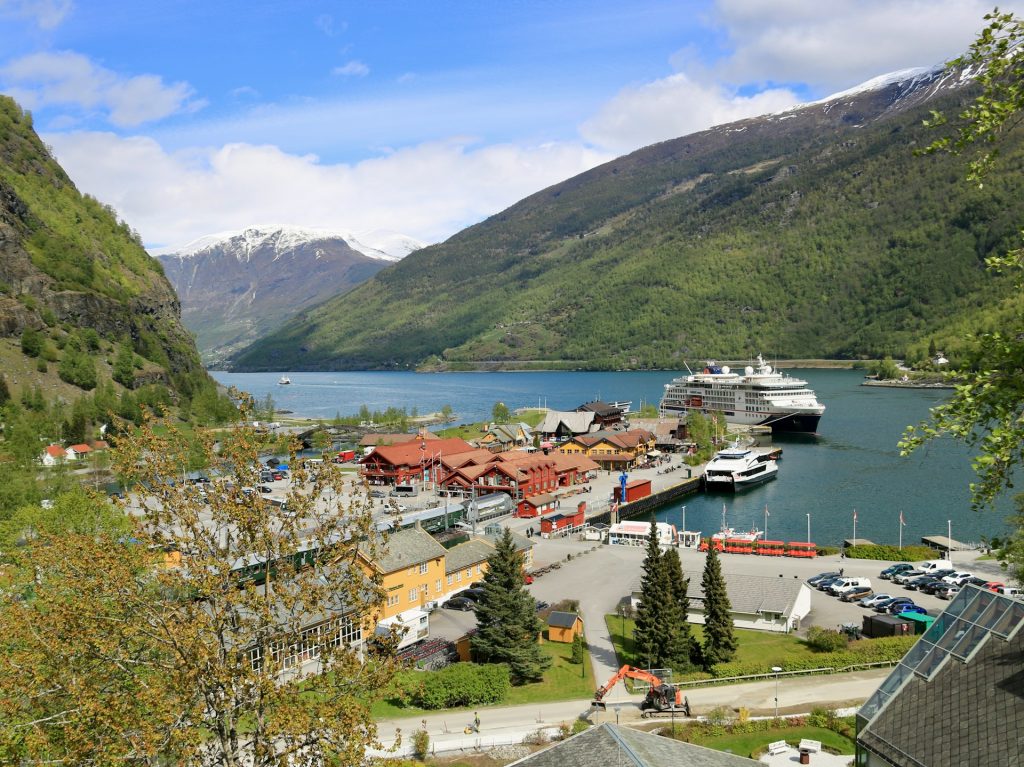
- Hospitality and tourism. Hotels, hostels, restaurants, bars, ski resorts, and adventure tourism operators regularly hire international staff, particularly in Oslo, Bergen, Tromsø, Lofoten, Geiranger, Flåm, and Svalbard. Front of house roles may prefer Norwegian, but many operations teams, housekeeping, barbacks, kitchen assistants, and tour support roles work primarily in English. In winter, ski resorts need lift operators, rental shop staff, and instructors. In summer, fjord cruise companies and tour outfitters hire guides, deckhands, and office staff who can handle English speaking guests.
- Tech and startups. Software engineering, data, UX, product management, and DevOps are often advertised in English. Many companies have English as their working language. You will see this especially in Oslo’s startup scene, as well as in Trondheim and Bergen. If the job ad is written in English, that is a strong sign Norwegian is not required.
- Customer support and shared service centers. International companies in Oslo and regional hubs sometimes need employees who speak English and another European language. If you have German, French, Spanish, Dutch, or a Nordic language, your odds go up. Even with only English, some teams hire for global markets.
- Research and higher education. Universities and research institutes hire PhD candidates, postdocs, and lab staff with English as the working language. These roles are competitive and require relevant academic credentials.
- Maritime, offshore, and logistics. Norway’s maritime industry is international. Shipyards, ports, supply bases, and warehouse operations often work in English on mixed teams. Certifications matter more than Norwegian in many roles.
- Cleaning, construction support, and maintenance. These sectors regularly hire international workers, especially through staffing agencies. Site managers may speak English, and safety briefings are often bilingual. Reliability and safety awareness count heavily.
- Seasonal fisheries and aquaculture. In Northern Norway and along the coast, fish processing plants and aquaculture facilities take on seasonal staff where basic English is sufficient. Shifts are long but pay is decent, and accommodation can be provided.
- Childcare and au pair. Au pairs live with host families and use English in many households, especially international ones. There are strict rules for au pair programs, so read the requirements carefully.

Cities and Regions That Work Well Without Norwegian
- Oslo. The most international job market. Tech, finance, startup, hospitality, and creative industries have English friendly roles. Many offices already work in English.
- Bergen. Strong tourism and maritime cluster. Hotels, cruise operations, and shipping firms frequently hire English speakers.
- Stavanger. Oil and gas, offshore services, and engineering firms use English widely. Good for technical roles.
- Trondheim. University and research driven city with tech and engineering opportunities.
- Northern Norway and fjord destinations. Tromsø, Lofoten, Alta, Geiranger, and Flåm are tourism heavy and run seasons with international staff.

Understanding Work Permits and Hiring Basics
Before applying, get clear on your right to work.
- EU and EEA citizens can live and work in Norway. Registration is required after arrival, but you do not need a work permit first. Register promptly and keep copies of your employment contract.
- Non EU citizens generally need a work permit tied to a job offer. Skilled worker permits require relevant education or vocational training and a full time job offer meeting salary thresholds. Seasonal work permits exist for agriculture and certain industries, with strict time limits. Always check the latest rules and salary minimums before you accept an offer.
- Students with a valid study permit can work part time during the semester and full time during official holidays, but the number of hours is limited and tied to your permit.
Norwegian employers care about reliability, references, and documentation. Bring proof of previous employment, verified certificates, and a clean and readable CV. If you have certificates for safety, hygiene, forklift operation, or maritime basics, include them.
What You Can Expect To Earn
Wages vary by industry and seniority. There is no single national minimum wage, but many sectors have allmenngjort agreements that set minimum rates for everyone on a site, including foreign workers. Hospitality, cleaning, and construction all use standardized rates that adjust periodically. As a rough guide, many entry level jobs pay between 190 and 240 NOK per hour, with higher rates for nights and weekends. Skilled tech roles can pay significantly more. Housing is the big cost in cities, so budget carefully and try to secure accommodation early.
How To Find English Friendly Roles
- Read the job ad language. English ads usually mean the interview and daily work can run in English. If the ad is in Norwegian, the job might still be open to English speakers, but you will need to read between the lines.
- Use the right keywords. Search for “English,” “international,” “remote,” “customer support,” “software engineer,” “housekeeping,” “warehouse,” and “seasonal.” Add city names like “Oslo English jobs” or “Lofoten summer jobs.”
- Staffing agencies and seasonal portals. Many hospitality and industrial roles are posted via agencies. Agencies often handle onboarding, contracts, and housing arrangements in tourist destinations.
- Walk in with a CV in tourist towns. Hotels and restaurants in seasonal areas still appreciate motivated walk ins. In May and June for summer, and October to December for winter, you can sometimes land a trial shift on the spot.
- Network softly but consistently. Norway is small. A friendly message on LinkedIn, attending a meetup, or asking for an informational coffee can lead to a warm referral. Keep it polite and brief.
CV And Application Tips That Work In Norway
- Keep the CV to one or two pages, clean layout, and reverse chronological order. Include a short profile highlighting relevant skills and English fluency.
- Lead with competencies, not just job titles. For example, “Handled 200 guest check ins per shift with 96 percent satisfaction” or “Maintained HACCP standards in a 150 seat restaurant kitchen.”
- References matter. Add two references with email and phone. If you cannot share contact details yet, write “References available on request” and have them ready.
- Cover letters should be specific. One short page focused on why you fit the exact tasks in the ad. Avoid generic phrases. Mention your readiness to start, shifts you can take, and any certificates.
- Be punctual and direct in interviews. Norwegians value straightforward communication. If you do not know, say so and explain how you would find out.
Can You Work Only In English Long Term
You can, but there are ceilings. I see people build entire careers in tech, research, and some international companies using English daily. However, learning Norwegian opens doors, especially for promotions, leadership, and roles that cross teams. Even in English first workplaces, you will benefit socially and professionally from understanding Norwegian in meetings, Slack threads, and Friday small talk.
A realistic plan is to start working in English, then:
- Take evening classes or free online lessons.
- Learn workplace phrases first. Words for cleaning supplies, tools, shift rosters, and safety instructions go a long way.
- Ask colleagues to switch to Norwegian for 10 minutes a day during breaks. Most will help if you show effort.
- Read signage and memos aloud quietly to build pronunciation.
Seasonal Work Without Norwegian
Norway’s tourism and seasonal industries are friendly to beginners. Typical windows:
- Winter season runs roughly late November to April in ski resorts and Tromsø area northern lights tourism. Roles include lift operations, instructors with certifications, rental shop staff, guides, drivers, and hotel teams.
- Summer season runs May to September in fjord areas, Lofoten, and cruise ports. Hotels, restaurants, cleaning, front desk, bar, kitchen, deck crew, and tour guides are common.
Seasonal jobs sometimes include shared housing at a reasonable rate and staff meals. Shifts can be intense at peak times, but the experience and references can set you up for a more permanent role.
Common Pitfalls To Avoid
- Working without the correct permit. This can cause serious trouble for you and the employer. Always double check your status.
- Accepting cash in hand offers. Legitimate employers pay into your Norwegian bank account and register your tax. Ask for your arbeidskontrakt in writing. It should list hours, pay, overtime, and termination rules.
- Ignoring safety rules. Norwegian workplaces take safety seriously. If you do not understand a procedure, ask to have it explained in English. You will be respected for it.
- Underestimating costs. Rent deposits, transport, and winter clothing add up. Save a buffer before you arrive.
Small Cultural Things That Help You Get Hired
- Be modest yet confident. State your experience clearly, but avoid overselling. “I can learn that quickly” lands better than “I am the best.”
- Respect schedules. Show up on time, even early. If you will be late, send a short message with your new ETA.
- Take initiative. See a task, do it. In hospitality and warehouses, managers notice the person who quietly fixes small problems.
- Leave no mess. Tidy workstations and clean tools are a love language in Norwegian workplaces.
Remote And Hybrid Options
If you are a specialist, you may find remote friendly roles with Norwegian or international employers. Tech, design, content, marketing, and customer support teams sometimes hire location flexible staff. Hiring may still require you to live in Norway for tax and payroll reasons. Clarify employment status early. Contractor arrangements are possible, but know your obligations for invoicing, tax, and insurance.
A Simple Plan To Get Hired Without Norwegian
- Pick a sector that accepts English speakers based on your experience. Hospitality for quick entry, tech or research for skilled paths, logistics or cleaning for steady hours.
- Prepare your documents. Passport, permits, CV, references, and certificates in one folder. Keep digital copies ready to send.
- Apply with targeted notes. Ten strong applications beat fifty generic ones. Mirror the keywords in the ad.
- Follow up politely. A short email after a few days to confirm receipt and express interest can nudge your application up the pile.
- Say yes to trial shifts. In hospitality and seasonal work, paid trial shifts are common and a chance to prove yourself.
- Start learning Norwegian from day one. Even 10 minutes a day changes your trajectory within months.
Final Word From A Local
You do not need perfect Norwegian to start a working life here. Many of your colleagues and customers will be used to English, and the mix of nationalities in Norwegian workplaces is growing every year. If you bring reliability, clear communication, and genuine effort, you will stand out. Then, as your Norwegian improves, more doors open. That is the real win: start where the language barrier is low, prove your value, and keep building.