Lofoten is one of the most spectacular places to visit in Norway during winter. This island archipelago in Northern Norway is famous for its jagged mountains, fishing villages, Arctic beaches, northern lights, and dramatic coastal scenery. While many people associate Lofoten with summer road trips and the midnight sun, winter gives the islands a completely different atmosphere.
The best things to do in Lofoten in winter include chasing the northern lights, visiting traditional fishing villages, photographing Arctic landscapes, joining a wildlife or sea eagle safari, trying winter hiking, tasting stockfish, and experiencing the famous Lofoten cod fishing season. Winter is also a great time to enjoy cozy cafés, local museums, snow-covered beaches, and peaceful scenic drives.
Lofoten in winter is raw, beautiful, and sometimes challenging, but that is also what makes it so special. Let’s take a deeper dive into the best winter activities in Lofoten, including practical tips from someone who has traveled around Northern Norway many times during the cold season.
Chase The Northern Lights In Lofoten
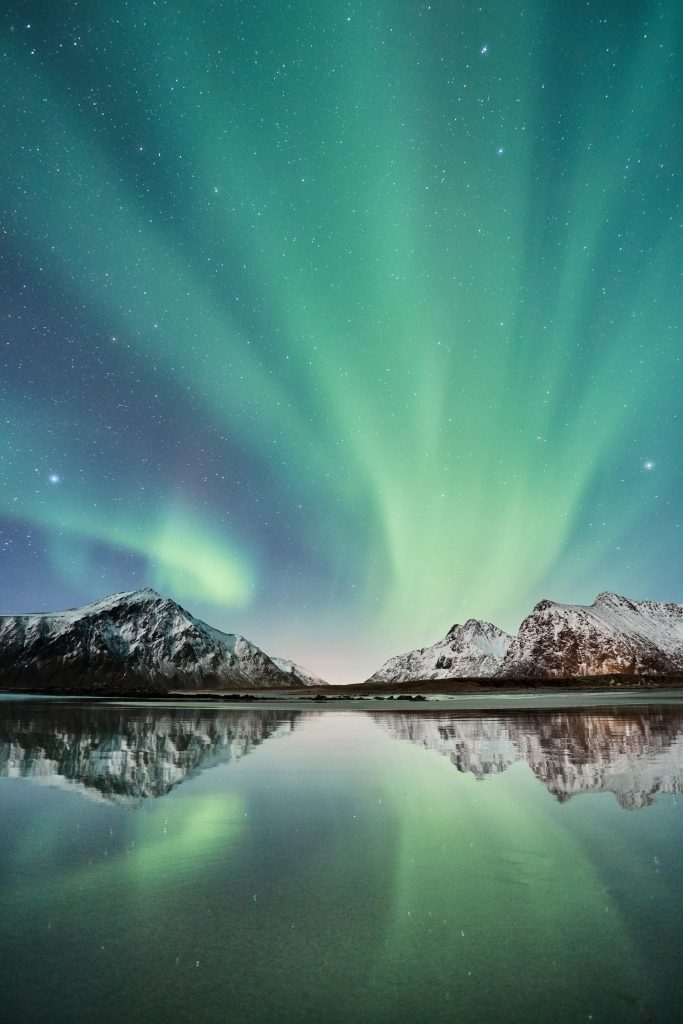
Seeing the northern lights is one of the main reasons people visit Lofoten in winter. The islands are located well above the Arctic Circle, which means they are in a good position for aurora activity from late September to early April.
The northern lights can appear anywhere in Lofoten when the sky is dark and clear, but you need to get away from strong artificial lights for the best experience. Beaches such as Uttakleiv, Haukland, Skagsanden, and Flakstad are popular places for aurora watching because they have open skies and beautiful foregrounds for photography.
The most important thing to understand is that northern lights are never guaranteed. You need both solar activity and clear weather, and winter weather in Lofoten can change quickly. It is completely normal to have clouds, snow showers, and strong wind in the same evening, followed by a sudden clear sky an hour later.
My best tip is to stay for several nights if seeing the aurora is important to you. Do not plan just one evening for northern lights hunting. Check the local weather forecast, look for breaks in the clouds, and be ready to drive to another part of the islands if conditions are better there.
Visit Reine And The Western Lofoten Villages
Reine is one of the most photographed villages in Norway, and it is just as beautiful in winter as in summer. The red and yellow fishermen’s cabins, known as rorbuer, sit between steep mountains and cold blue water, creating the classic Lofoten scenery many visitors dream about.
Winter in Reine feels quieter and more atmospheric than the busy summer season. You can walk around the village, photograph the harbor, visit nearby Hamnøy and Sakrisøy, and enjoy the view of the mountains rising straight out of the sea.
The western part of Lofoten also has several other charming places worth visiting, including Å, Sørvågen, and Nusfjord. Å is the last village on the main road through Lofoten and has a strong connection to the traditional fishing culture. Nusfjord is one of the best-preserved fishing villages in Norway, with old wooden buildings and a very distinct coastal atmosphere.
In winter, some shops, cafés, and attractions may have reduced opening hours, so it is smart to check before driving long distances. Still, the villages themselves are beautiful even when everything is quiet.
Stay In A Traditional Rorbu
One of the best winter experiences in Lofoten is staying in a traditional rorbu. These were originally simple cabins used by fishermen during the seasonal cod fisheries, but many have now been restored into comfortable accommodation for travelers.
A rorbu stay gives you a much stronger sense of place than a standard hotel room. Many cabins are located right by the water, often with mountain views and fishing boats nearby. On a cold winter evening, there are few things better than sitting inside a warm cabin while snow blows across the harbor outside.
You can find rorbu accommodation in places like Reine, Hamnøy, Sakrisøy, Svolvær, Henningsvær, Nusfjord, and Ballstad. Prices vary a lot depending on location, comfort level, and season. Winter can sometimes be more affordable than peak summer, but northern lights season has also become increasingly popular.
Explore Henningsvær
Henningsvær is one of the liveliest and most charming villages in Lofoten, even in winter. It is spread across several small islands connected by bridges, with colorful houses, galleries, cafés, shops, and a working harbor.
Many visitors know Henningsvær for its famous football field, which has become one of the most photographed sports fields in the world. In winter, the surrounding scenery can be especially dramatic, with snow-covered mountains and dark Arctic sea around the islands.
Henningsvær is also a good place to enjoy Lofoten at a slower pace. You can visit local art galleries, stop for coffee, browse small shops, and walk around the harbor. It is a nice contrast to the wilder landscapes elsewhere in Lofoten.
If the weather is bad, Henningsvær is one of the better places to spend a few hours indoors. Winter in Lofoten is not only about chasing perfect views. Sometimes the best memories come from sitting in a warm café while the wind shakes the windows.
Photograph Arctic Beaches
Lofoten has some of the most beautiful beaches in Norway, and they become even more dramatic in winter. White sand, turquoise water, black rocks, snow-covered mountains, and stormy skies create fantastic photography conditions.
Some of the best beaches to visit in winter include Haukland Beach, Uttakleiv Beach, Skagsanden Beach, Ramberg Beach, and Unstad Beach. Each has a different character. Haukland is wide and scenic, Uttakleiv is rugged and popular with photographers, Skagsanden is excellent for northern lights, Ramberg has classic Arctic beach scenery, and Unstad is famous for surfing.
Be careful near the ocean in winter. Waves can be powerful, rocks can be icy, and sudden gusts of wind are common. Never turn your back on rough seas, and do not walk too close to the waterline during storms.
For photographers, winter light in Lofoten is incredible. Around December and January, the sun may stay below the horizon or barely rise, creating long periods of blue, pink, and golden twilight. Later in February and March, you get more daylight while still having snow and northern lights opportunities.
Try Winter Surfing At Unstad
Surfing in the Arctic might sound strange, but Unstad is one of Norway’s most famous surf spots. People come here year-round to surf in cold water surrounded by mountains and wild coastal scenery.
Winter surfing is not something you should attempt without proper gear and local knowledge. The water is cold, the weather can be rough, and conditions change quickly. However, local operators provide lessons, equipment, and guidance for beginners as well as more experienced surfers.
Even if you do not surf yourself, Unstad is worth visiting. Watching surfers in thick wetsuits paddle into icy waves under snowy mountains is a very Lofoten experience. There is also a cozy surf community here, and it is a nice place to stop for a warm drink after exploring the area.
Go On A Sea Eagle Safari
The white-tailed eagle (Haliaeetus albicilla) is one of the most impressive birds you can see in Lofoten. These huge birds are common along the coast, and winter is a good time to join a guided boat trip to see them up close.
Sea eagle safaris often depart from Svolvær and may travel into the surrounding fjords and coastal waters. Some tours also combine wildlife viewing with dramatic scenery in places like Trollfjorden, a narrow fjord with steep mountain walls.
In addition to sea eagles, you may see seabirds, seals, and beautiful winter landscapes from the boat. The exact experience depends on weather and season, but being out on the water in winter gives you a completely different view of Lofoten.
Dress very warmly for boat trips. Even if the temperature does not look extreme on paper, wind and sea spray can make it feel much colder.
Experience The Lofoten Cod Fishing Season
Winter is historically the most important season in Lofoten because of the annual cod fishery. Every year, large numbers of Atlantic cod (Gadus morhua) migrate from the Barents Sea to the waters around Lofoten to spawn. This seasonal event has shaped the economy, culture, food, and identity of the islands for centuries.
You will see fishing boats in the harbors, fish racks along the coast, and cod drying outside in the cold air. This dried cod, called stockfish, is one of Lofoten’s most famous traditional products and has been exported from Norway for hundreds of years.
If you enjoy food culture, winter is one of the best times to visit. Try fresh cod, fish soup, stockfish dishes, or mølje, a traditional northern Norwegian meal made from cod, liver, and roe. It is not for everyone, but it is a very authentic taste of coastal Norway.
Some places also offer fishing trips for visitors, depending on weather and availability. Joining a local fishing trip can be a memorable way to connect with Lofoten’s winter traditions.
Visit The Lofotr Viking Museum
The Lofotr Viking Museum in Borg is one of the best indoor attractions in Lofoten, and it is especially useful to know about in winter when the weather turns rough. The museum is built around the remains of a large Viking chieftain’s house and gives a good introduction to Viking Age life in Northern Norway.
You can walk through the reconstructed longhouse, see exhibitions, and learn about archaeology, trade, food, crafts, and power structures in the Viking period. Opening hours may vary by season, so check before you go.
This is a good stop if you are traveling with children, interested in history, or simply need a break from wind, snow, and icy roads.
Take A Scenic Winter Road Trip
Driving through Lofoten in winter can be one of the highlights of the trip. The E10 road connects the main islands and passes mountains, bridges, beaches, fishing villages, and fjords. The scenery changes constantly, and short drives can take much longer than expected because you will want to stop so often.
That said, winter driving in Lofoten requires caution. Roads can be icy, visibility can change quickly, and strong winds may affect bridges and exposed coastal sections. Rental cars should have proper winter tires, and you should be comfortable driving in snow and darkness.
Do not pack your itinerary too tightly. Distances may look short on a map, but winter conditions can slow everything down. It is better to explore fewer places properly than to rush from village to village in poor weather.
Some of the most scenic driving areas include the road between Leknes and Reine, the coastal roads near Eggum and Unstad, and the route toward Henningsvær.
Go Winter Hiking Or Snowshoeing
Lofoten is famous for mountain hikes, but winter hiking is very different from summer hiking. Snow, ice, avalanche danger, short daylight, and fast-changing weather make many mountain routes unsuitable for inexperienced visitors.
However, that does not mean hiking is impossible. There are easier coastal walks and lower trails that can be enjoyable in winter when conditions are safe. Popular options include walks around beaches, village paths, and shorter viewpoints. Snowshoeing with a guide is also a good option if you want to experience snowy landscapes without taking unnecessary risks.
Always check avalanche conditions before heading into mountain terrain. If you are not experienced with winter mountain travel, go with a local guide. Lofoten’s mountains are steep, and even short-looking hikes can become dangerous in winter.
For a safer winter experience, focus on low-elevation walks with good visibility and stable weather. Bring spikes for your shoes, warm layers, a headlamp, and extra food and water.
Visit Svolvær And Join A Winter Activity
Svolvær is the largest town in Lofoten and a practical base for winter travel. It has hotels, restaurants, shops, tour operators, galleries, and good transport connections. While it may not feel as remote and picturesque as the western villages, it is very convenient.
From Svolvær, you can join sea eagle safaris, northern lights tours, fishing trips, photography tours, and boat trips to Trollfjorden when conditions allow. It is also a good place to stay if you prefer having more services nearby during winter.
Svolvær is especially useful for first-time winter visitors who want access to guided activities. Having local guides can make the trip easier, safer, and more rewarding, especially if you are not used to Arctic conditions.
Enjoy The Winter Light
One of the most underrated things to do in Lofoten in winter is simply to experience the light. In December and early January, the sun does not properly rise above the horizon, but the islands are not completely dark all day. Instead, you get a few hours of soft twilight with blue, purple, pink, and orange tones.
By February and March, the days are longer, but the sun is still low enough to create beautiful light for much of the day. This makes winter one of the best seasons for landscape photography in Lofoten.
The light can transform even ordinary places into something magical. A beach, a red cabin, a fishing boat, or a snowy mountain can look completely different from one hour to the next. This is why I always recommend slowing down in Lofoten during winter. Do not treat it only as a checklist destination. Give yourself time to watch the weather, the sea, and the light change.
Practical Tips For Visiting Lofoten In Winter
Winter in Lofoten is beautiful, but it is not always easy. Weather can be rough, ferries and roads may be affected, and some businesses operate with reduced hours. Flexibility is essential.
Pack warm clothing in layers, including wool base layers, a windproof and waterproof outer layer, gloves, hat, and good winter footwear. Ice grips are very useful, especially when walking around villages, viewpoints, and beaches.
A rental car gives you the most freedom, but only rent one if you are comfortable with winter driving. Public transport exists, but it is limited compared to summer and can make it difficult to reach beaches and smaller villages.
The best winter months for visiting Lofoten depend on what you want. December and January are best for deep Arctic atmosphere and long twilight. February is a great balance of snow, light, and northern lights. March often gives longer days, better hiking opportunities at lower elevations, and continued aurora chances.
Lofoten in winter rewards patience. You might get a snowstorm in the morning, golden light at noon, calm seas in the afternoon, and northern lights at night. That unpredictability is part of the experience, and it is exactly why winter in Lofoten stays with you long after you leave.