Fishing the Norwegian fjords is one of those experiences that stays with you. Deep blue water, mountains dropping straight into the sea, and fish that taste like they came off a restaurant plate because, well, they basically did. Whether you are a first-timer with a spinning rod or an experienced angler chasing halibut, the fjords offer honest, uncomplicated fishing in breathtaking scenery.
If you are wondering whether you can simply show up and cast a line, the short answer is yes. Recreational fishing in saltwater is free for everyone in Norway, including visitors. Follow size limits, respect protected species, and you are good to go. Most people catch pollock, mackerel, and cod, but there is always a chance of haddock, coalfish, ling, tusk, wolffish, and halibut in the deeper basins.
Let’s take a deeper dive into the world of fishing in the fjords, from where to go and what to bring to the small local habits that make the day smoother.
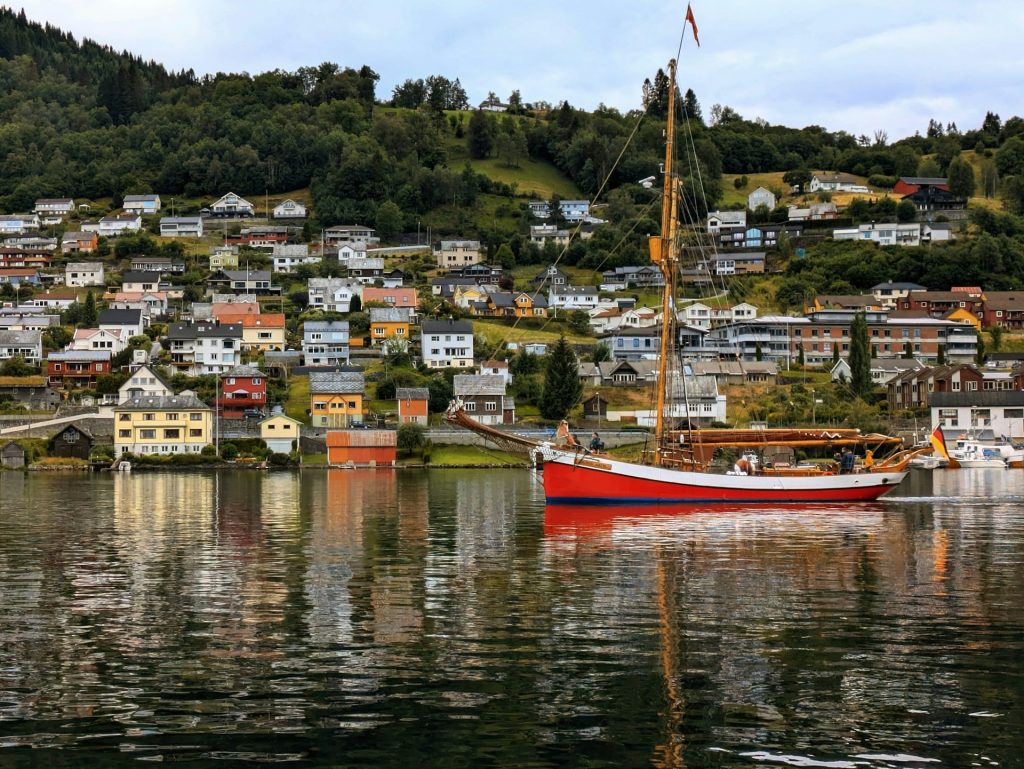
How Fjord Fishing Works
Norway’s fjords are saltwater arms connected to the open ocean. The water is cold and very deep, with ledges, drop-offs, and rock walls that hold fish. Imagine a staircase: shallow rocky shelves close to shore, then a quick drop into 50 to 200 meters and more. Fish move along those edges with the tide. That is your simple plan. Find structure, fish the edge, and pay attention to tide movement.
On most days you do not need a boat. Many locals fish from public piers, ferry quays that are not in service, rocky points, or small beaches. If you do hire a boat or jump on a guided trip, you unlock the deeper marks where cod, ling, and halibut patrol.
The Species You Are Likely To Catch
Pollock, known locally as sei, is the most common catch. It hits hard, fights above its weight, and loves lures fished mid-water along steep banks. Cod is the classic fjord fish and cooks beautifully, especially in cooler months. In summer, fast-moving shoals of mackerel flood the fjords and give easy, exciting action for everyone. Closer to river mouths you may encounter sea trout, particularly in spring and autumn. Deeper down, ling and tusk hang near the bottom, and in the northern fjords there is a genuine shot at halibut.
Seasons and Best Times
You can fish the fjords all year. The rhythm changes with light, temperature, and baitfish.
- Winter and early spring: Clear, cold water and fewer people. Cod fishing can be excellent, particularly deeper. Dress for real winter and bring a thermos.
- Late spring: Sea trout cruise shorelines, especially near river mouths and brackish pockets on rising tides.
- Summer: Peak mackerel season, lively pollock, and comfortable conditions for shore fishing in the evening. Families love this window.
- Autumn: Bigger pollock and cod move shallow to feed. Shorter days, strong colors, and very reliable action.
Day to day, the best windows are usually around tide changes, with a nice bump in activity when the current first starts to move. Early morning and late evening can outperform the middle of the day on sunny, clear-water fjords.
Tackle That Just Works
Skip the complicated stuff. One medium spinning outfit and, if you plan to fish deep, one sturdier boat setup covers most situations.
- Shore spinning: A 7 to 9 foot medium rod with a 3000 to 4000 size reel, 20 to 30 lb braid, and a 20 to 30 lb fluorocarbon leader. This handles pollock, mackerel, cod, and the occasional surprise.
- Simple lures: Metal jigs around 20 to 60 g, slim soft plastics on 10 to 30 g jig heads, and small spoons. A pack of feathered mackerel sabikis is worth its space.
- Boat and deep marks: If you are dropping into 60 to 150 m, bring 30 to 50 lb braid on a compact multiplier or heavy spinning reel, with 200 to 400 g pilks or natural bait on a paternoster rig.
A little local tip: gray, blue, and pearl-white lures are steady producers in clear fjord water. For mackerel, anything shiny that flashes and moves quickly will do. Keep your leader on the long side and check it often. Rock edges are unforgiving.
Shore Spots and Easy Access
Public access is generous in Norway. You can wander the shoreline responsively, and most towns have a pier or two that sees regular evening action. Harbors, ferry quays that are not in active use, and small rocky capes at the edge of villages are go-to spots for locals. If there is kelp, current, and a quick drop to deep water, you are in the right place.
A few ground rules keep things friendly:
- Stay clear of private gardens and boathouses and avoid casting near swimmers.
- Many marinas do not allow fishing inside the docks. Fish the outer breakwater instead.
- Keep distance from fish farms and busy ferry lanes. If a local tells you a ferry is due, reel in and let it pass.
- Pack out all line and hooks. The fjords are clean because people make an effort.
From A Boat: Reading The Fjord
Boats open up the fjord’s stairs and gutters. Drifting along a drop-off while jigging a 100 g lure is the classic approach. Watch your sounder for bait clouds and sharp edges where the bottom plunges. Lift, drop, and keep contact. Cod and pollock will find you if you are near the structure. For halibut, think broad, sandy tongues between rocky islands, ideally with a steady push of tide.
If electronics are new to you, ask the rental place or a local skipper to show you what a bait ball or a ledge looks like. Ten minutes of guidance saves hours of guesswork.
Techniques That Consistently Produce
- Jigging for pollock and cod: Cast slightly up-current, let your jig sink to the desired depth, then retrieve with sharp lifts. Pollock often hit on the drop.
- Mid-water soft plastics: Count down to mid-depth and swim a slim shad with a slow, steady pace. Tick the lure higher and lower in the water column until you get taps.
- Sabiki for mackerel: Lower a small Hokkaido or feather rig and wind with pace when you feel the first fish. It is pure summer.
- Bottom rigs for ling and tusk: A two-hook paternoster with natural bait such as herring strips or shrimp, fished near steep edges in 60 to 120 m. Keep your sinker just kissing bottom.
- Sea trout on the shore: Light spinning with small spoons and sand-eel style soft baits. If you fly fish, a simple intermediate line and a sparse baitfish pattern do the job.
Safety In Cold, Deep Water
The fjords demand respect. The water is cold even in July. Wear a life jacket when fishing from a boat or exposed rocks. Grippy footwear matters on kelp-slick stones. In winter, use ice cleats on your boots if paths look glassy. Keep an eye on the tide; some ledges cut off quickly on a rising sea. Let someone know where you are going and bring a charged phone in a waterproof pouch.
For boats, check the weather before you leave. Fjord winds can rise fast and funnel through narrow cuts, especially in the afternoon. A quick plan to hug the shore back home is never wasted.
Rules, Limits, and Good Etiquette
Norway keeps things simple, but there are rules.
- Saltwater is free to fish for residents and visitors. No license required.
- Minimum sizes and protected species apply. These are posted in tackle shops and online. If you are unsure, measure and release.
- Rivers and lakes are different. If you target salmon or trout in freshwater or in specific protected tidal zones, you need the proper license and must follow local seasons.
- Export limits exist for taking fish out of the country. The allowance and conditions can change, so check the current rules before filling a cooler.
- Keep only what you will eat. Releasing big breeding fish is a smart habit, especially halibut and large cod. A quick photo over the water and back it goes.
Locally, anglers appreciate quiet company. Offer space on a pier, say hello, and mind your casting angle. Most Norwegians will happily share what lure color is working if you ask.
Bait, Shops, and Simple Substitutes
You do not need live bait to succeed, but it helps at times. Shrimp from any supermarket make excellent bait for bottom rigs and sea trout. Herring, mackerel, or saury strips are easy to find in grocery stores or petrol stations, and they stay on the hook well. Most towns have a sports shop with rods, lures, and spare leaders. If you forgot something important, you will likely find it.
Cleaning, Cooking, and Being Considerate
Many marinas and rental docks have a small cleaning table. If you clean fish by the water, dispose of offal where it will drift away, not in a harbor where boats tie up. I like to fillet cod and pollock on the spot, rinse with a little fjord water, and keep the fillets cold in a zip bag on ice. For a quick meal, dust with flour, salt, and pepper, then pan-fry in butter. Simple and perfect.
Family-Friendly Fjord Days
If you have kids, aim for a warm evening in July or August when mackerel are in. A light rod, a handful of small spoons, and a pier near town make for easy fun. Teach them to keep fingers clear of hooks, handle fish with wet hands, and release the small ones. Wrap it with soft-serve from the kiosk and everyone will remember the day for the right reasons.
Easy Starter Plan For Your First Session
- Pick an accessible spot with a clear drop-off. A public pier at the edge of town is ideal.
- Check the tide table and arrive an hour before the tide turns.
- Tie on a 30 g metal jig with a 60 cm fluorocarbon leader.
- Cast along the edge, count to ten, and start a steady retrieve with short lifts. If no bites, vary the count until you find fish.
- If you see surface activity, switch to a smaller spoon or sabiki for mackerel and wind faster.
- Keep a measuring tape in your pocket and a small towel for handling fish.
- Take a break to look around. The scenery is half the catch.
When To Book A Guide
Guided fjord trips are not only for trophy hunters. If you have one day and want to learn quickly, a skipper will show you productive marks, safe drift lines, and how to work the lures correctly. You keep the knowledge for the rest of your trip and can fish from shore with much better instincts. It is also a good choice for families who want a tidy, low-stress day.
Packing List From A Local’s Backpack
- Compact spinning rod and reel, spare leader, and a small box of jigs and spoons
- Measuring tape, long-nose pliers, and a simple fish grip
- Life jacket and grippy shoes
- Beanie, light gloves, and a windproof layer, even in summer
- Thermos, water, and a few buns from the bakery
- Zip bags and a small cooler with ice packs
- Headlamp in spring and autumn
A Few Personal Spots And Patterns
I grew up fishing fjord corners where mountain shade hits the water in late afternoon. That moment when sunlight lifts from the drop-off can switch fish on. Pollock push bait tight to the rocks and your jig suddenly gets hammered two meters below the surface. In summer, I keep one rod rigged with a small spoon for surprise mackerel, another with a 40 g jig for working the slope. In autumn, I slow down and fish closer to bottom for cod, letting the lure sit between hops. It is simple, patient fishing, and it works across the country.
Last Word Before You Cast
The fjords reward people who keep things straightforward. Fish moving water, focus on the edges, and travel light. Respect the place and the fish, and the place tends to give back. Whether you keep a couple of fillets for dinner or release everything and walk home with cold hands and a grin, you will have done something very Norwegian.