Lofoten is one of the most beautiful destinations in Norway, but it is also one of the places where accommodation prices can surprise first-time visitors. The islands are remote, extremely popular in summer, and have a limited number of hotels, cabins, and traditional fishermen’s cottages. This combination means that staying in Lofoten is rarely cheap, especially if you visit during peak season.
The cost of staying in Lofoten usually ranges from around 700 NOK per night for a simple room or hostel bed to 2,000 NOK to 4,000 NOK per night for a hotel room, cabin, or rorbu in a popular location. Budget travelers can reduce costs by camping, staying outside the most famous villages, or booking early, while travelers looking for comfort should expect Lofoten to be more expensive than many other parts of Norway.
Let’s take a deeper dive into what it actually costs to stay in Lofoten, which types of accommodation give you the best value, and how to avoid paying more than necessary.
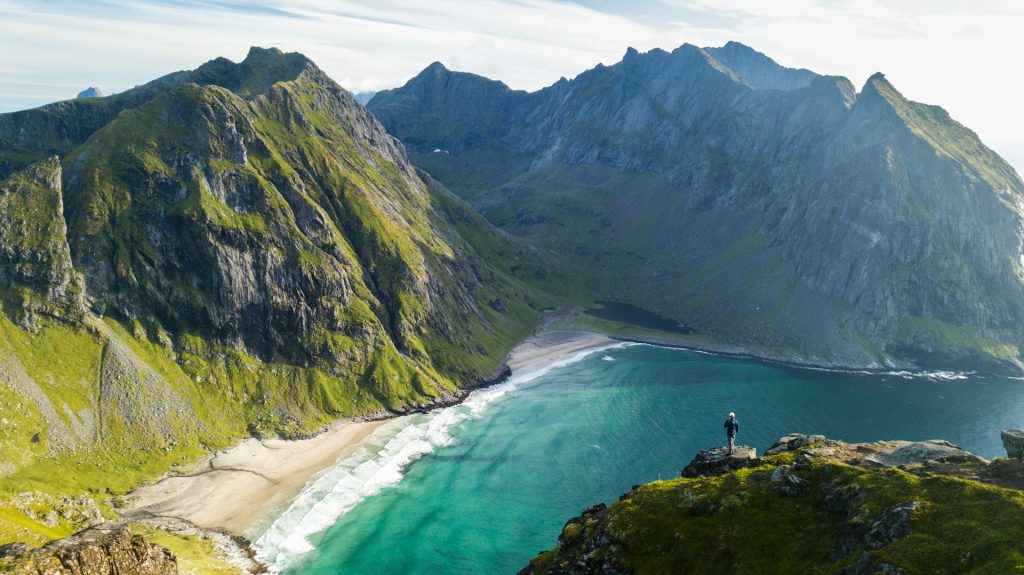
Why Staying In Lofoten Is Expensive
Lofoten is expensive for the same reasons it is so attractive. The islands have dramatic scenery, small fishing villages, famous hiking trails, white beaches, and some of the most photogenic landscapes in Norway. During the summer season, demand for accommodation is very high, but the number of available beds is limited.
Unlike cities such as Oslo, Bergen, or Trondheim, Lofoten does not have endless hotels spread across a large urban area. Many villages are small, and some of the most popular places, like Reine, Hamnøy, Henningsvær, and Nusfjord, have very limited accommodation. When thousands of visitors want to stay in the same few scenic spots, prices rise quickly.
Another reason is the short main season. Many accommodation providers in Lofoten earn a large part of their annual income during a few busy months, especially from June to August. This pushes summer prices much higher than you might expect.
If you are visiting Lofoten in July or early August, accommodation will often be one of the biggest expenses of your trip.
Typical Hotel Prices In Lofoten
Hotels in Lofoten are usually comfortable, but they are not always luxury hotels in the international sense. Even fairly simple hotels can be expensive because of the location.
A standard hotel room in Lofoten often costs between 1,500 NOK and 3,000 NOK per night during the summer season. In the most popular villages, prices can climb even higher, especially if the hotel has a sea view, mountain view, or a particularly attractive location.
Outside the busiest season, hotel prices are more reasonable. In spring, autumn, and winter, you might find rooms from around 1,100 NOK to 1,800 NOK per night, depending on location and availability. Winter can still be expensive in areas popular with northern lights travelers, but it is generally easier to find deals than in July.
Hotels are a good option if you want convenience, breakfast included, and easy check-in. They are less ideal if you want to cook your own meals, since eating out in Lofoten can also become expensive.
The Cost Of Staying In A Rorbu In Lofoten
One of the most iconic ways to stay in Lofoten is in a rorbu, which is a traditional fishermen’s cabin. These red and yellow cabins are often located right by the sea, sometimes on wooden poles over the water. For many visitors, staying in a rorbu is part of the Lofoten experience.
Rorbu prices vary a lot. A basic rorbu can cost around 1,500 NOK to 2,500 NOK per night, while larger or more scenic cabins can cost 3,000 NOK to 5,000 NOK per night or more in peak season. Some of the most famous rorbu accommodation in places like Reine, Hamnøy, and Sakrisøy can be very expensive in summer.
The big advantage of a rorbu is that many come with a kitchen or kitchenette. This can save you a lot of money if you buy groceries and cook some of your own meals. For families or small groups, a rorbu can actually be better value than booking several hotel rooms.
In my experience, a rorbu is worth considering if you are staying for more than one night and want the classic Lofoten feeling. However, you should book early if you want a good rorbu at a reasonable price, especially for June, July, or August.
Cabins And Holiday Homes
Cabins and holiday homes are very popular in Lofoten, especially for families, couples, and groups of friends. These can range from simple cabins near campsites to modern holiday homes with large windows, sea views, hot tubs, and stylish interiors.
A simple cabin might cost around 900 NOK to 1,500 NOK per night. A mid-range cabin usually costs around 1,500 NOK to 3,000 NOK per night. Large modern holiday homes can cost 4,000 NOK to 8,000 NOK per night or even more, particularly in scenic areas.
For groups, holiday homes can be one of the most cost-effective ways to stay in Lofoten. If four or six people share a larger place, the price per person can become much more reasonable. You also get a kitchen, more space, and often a better location than you would get from a hotel in the same price range.
The downside is that many holiday homes have minimum stay requirements during peak season. It is common to see minimum stays of two, three, or even seven nights in summer. This can make them less practical for travelers moving from place to place every day.
Budget Accommodation In Lofoten
Budget accommodation exists in Lofoten, but you need to search carefully and book early. Hostels, guesthouses, simple rooms, and camping cabins are usually the cheapest indoor options.
A dorm bed in a hostel can cost around 400 NOK to 800 NOK per night. A private room in a guesthouse or hostel often costs around 900 NOK to 1,500 NOK per night. Simple campsite cabins may start around 700 NOK to 1,200 NOK per night, though prices vary a lot depending on facilities and location.
Budget accommodation is usually easier to find in places that are slightly less famous. Leknes, Svolvær, Kabelvåg, Ballstad, and Stamsund can sometimes offer better prices than Reine or Henningsvær. These places are still good bases for exploring Lofoten, especially if you have a rental car.
If your main goal is to keep costs down, I would not focus only on staying in the most Instagram-famous villages. You can visit those places during the day and sleep somewhere cheaper nearby.
Camping Costs In Lofoten
Camping is the cheapest way to stay in Lofoten, and it is a popular option during summer. There are several campsites around the islands, many of them located in beautiful natural settings.
A tent pitch at a campsite usually costs around 250 NOK to 450 NOK per night, sometimes more if you need electricity. Campervan spots often cost around 350 NOK to 600 NOK per night. Campsites with good facilities, scenic locations, or high demand can be more expensive.
Norway also has the right to roam, which allows wild camping in many natural areas, but there are important rules. You must stay at least 150 meters from inhabited houses and cabins, avoid cultivated land, and follow local restrictions. In Lofoten, wild camping has become controversial in some areas because of overcrowding, waste, and damage to nature.
Use established campsites when possible, especially in busy areas. It is better for the local environment, and you get access to toilets, showers, waste disposal, and sometimes kitchen facilities.
Seasonal Price Differences
The time of year has a huge impact on the cost of staying in Lofoten.
Summer is the most expensive season, especially from mid-June to mid-August. This is when the midnight sun, hiking, kayaking, road trips, and beach visits attract travelers from all over the world. Accommodation should be booked months in advance.
May and September are often better value. The weather can still be good, the landscapes are beautiful, and prices are usually lower than in July. These shoulder months are excellent choices if you want to reduce costs without giving up the Lofoten experience.
Winter prices vary. Some places are cheaper, while others stay expensive because of northern lights tourism, photography workshops, and winter adventure travel. February and March can be surprisingly popular, especially with photographers.
Late autumn and parts of early winter are usually the cheapest times to stay in Lofoten. The weather can be rough, days are short, and some businesses close, but accommodation prices are often much lower.
Best Areas To Stay For Different Budgets
Reine, Hamnøy, Sakrisøy, Nusfjord, and Henningsvær are among the most scenic and desirable places to stay in Lofoten. They are also often among the most expensive. Staying here can be worth it if you want atmosphere, views, and easy access to famous photo spots, but it is not the best choice for a tight budget.
Svolvær is one of the most practical places to stay. It has more hotels, restaurants, shops, tours, and transport connections than many smaller villages. Prices are still not cheap, but the larger selection can make it easier to find something reasonable.
Leknes is another practical base, especially if you have a car. It is not as charming as the old fishing villages, but it is central and useful for exploring both western and central Lofoten. You can often find better value here than in the postcard-perfect villages.
Ballstad, Stamsund, Kabelvåg, and Gravdal can also be good compromises. They are attractive enough to feel like Lofoten, but sometimes less expensive than the most famous locations.
Food Costs Matter When Choosing Accommodation
When calculating the cost of staying in Lofoten, do not only look at the nightly rate. Food prices matter a lot.
Eating out in Lofoten is expensive. A simple lunch can easily cost 180 NOK to 300 NOK, while dinner at a restaurant often costs 300 NOK to 600 NOK per person before drinks. If you eat all your meals out, your daily travel budget will rise quickly.
This is why accommodation with a kitchen can be a very good investment. Even if a cabin or rorbu costs slightly more than a hotel room, you might save enough on food to make it worthwhile. Grocery stores are still expensive by international standards, but cooking your own meals is much cheaper than eating at restaurants every day.
For longer stays, I usually recommend booking somewhere with at least a small kitchen. It gives you more flexibility, especially since restaurants in smaller villages may have limited opening hours outside the peak season.
How To Save Money On Accommodation In Lofoten
The best way to save money is to book early. For summer trips, booking six to nine months in advance is not unreasonable, especially if you want a specific village or a good rorbu. Last-minute summer accommodation in Lofoten can be extremely expensive or completely unavailable.
Staying for several nights in one base can also reduce costs. You may get better nightly rates, spend less time driving, and avoid the stress of constantly changing accommodation. Lofoten is not huge, so one or two bases can work well for many itineraries.
Traveling outside July is another major money-saver. May, early June, late August, and September can offer a much better balance between price, scenery, and availability.
You can also save money by choosing less famous villages, staying in simple cabins, using campsites, or sharing accommodation with others. For solo travelers, hostels and private rooms are usually better value than hotels or rorbu cabins.
A Realistic Daily Accommodation Budget For Lofoten
For a budget traveler, it is possible to keep accommodation costs around 400 NOK to 900 NOK per night by using hostels, campsites, simple cabins, or shared rooms. This requires flexibility and early planning.
For a mid-range traveler, a realistic budget is around 1,500 NOK to 3,000 NOK per night for a hotel room, rorbu, cabin, or apartment. This is the range where many visitors will end up, especially couples.
For travelers who want comfort, great views, and popular locations, expect to pay 3,000 NOK to 6,000 NOK per night or more. Lofoten has some truly beautiful places to stay, but the best views usually come with high prices.
The most important advice is to treat accommodation as the core cost of your Lofoten trip. Flights, rental cars, food, and activities also add up, but where you sleep will often decide whether your trip feels affordable or expensive. With early booking, smart location choices, and a willingness to cook some meals yourself, you can experience Lofoten without letting accommodation costs take over the entire travel budget.