Lofoten is one of the most spectacular places to visit in Norway, with sharp mountain peaks, white sandy beaches, red fishermen’s cabins, turquoise water, and some of the most dramatic coastal scenery in Northern Europe. But since Lofoten changes completely from season to season, choosing the best time to visit Lofoten depends heavily on what kind of trip you want.
The best time to visit Lofoten for most travelers is from June to August, when the weather is mildest, the days are longest, and hiking conditions are at their best. However, February and March are the best months for northern lights, snowy landscapes, winter photography, and a more Arctic-style adventure. September is also a fantastic choice if you want fewer tourists, autumn colors, and a chance of seeing the northern lights.
Lofoten is not really a destination with one single perfect month. It is a place where every season has its own personality. Let’s take a deeper dive into the best time to visit Lofoten, what each season is like, and how to choose the right month for your own trip.
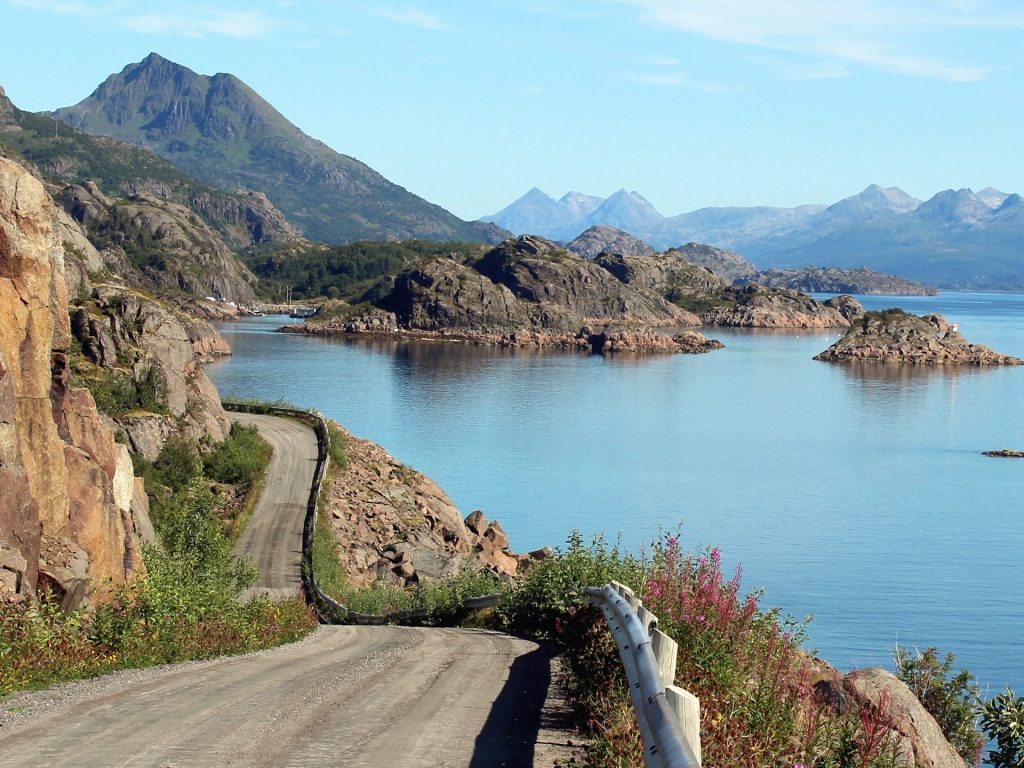
The Best Time To Visit Lofoten Overall
For first-time visitors, I usually recommend visiting Lofoten between mid-June and late August. This is the most accessible and comfortable time of year, especially if you want to hike, road trip between the islands, stay in rorbu cabins, kayak, visit beaches, and enjoy long days outdoors.
Summer in Lofoten is special because of the midnight sun. From late May to mid-July, the sun does not set below the horizon, which means you can go hiking at 10 PM, photograph beaches in golden light at midnight, or simply sit outside your cabin and watch the glowing sky all night. For visitors from outside Norway, this is often one of the most memorable parts of the trip.
That said, summer is also the most popular time to visit. Accommodation prices are higher, rental cars should be booked early, and famous hikes like Reinebringen can feel busy on good-weather days. If you want the easiest and most classic Lofoten experience, summer is the best time. If you want solitude, snow, northern lights, or lower prices, another season might suit you better.
Visiting Lofoten In Summer: June, July And August
Summer is the high season in Lofoten, and for good reason. This is when you get the mildest weather, the greenest landscapes, the best hiking conditions, and the easiest driving conditions. Most activities are running, restaurants and cafés are open, and the islands feel lively without becoming crowded in the same way as major European tourist destinations.
June is one of my personal favorite months in Lofoten. The landscape is fresh and green, the mountains may still have some snow on the higher peaks, and the midnight sun gives the whole region an almost unreal atmosphere. Early June can still feel a little chilly, especially by the sea, but late June is often beautiful.
July is the warmest and busiest month. This is usually the safest choice if your main goal is hiking, camping, kayaking, cycling, or general sightseeing. Temperatures are rarely hot by international standards, but they are usually comfortable enough for outdoor activities. You might get days around 15 to 20°C, although wind and rain can make it feel colder.
August is still a great summer month, but it starts to feel slightly more like late season. The midnight sun is gone, evenings get darker, and the tourist pressure begins to ease toward the end of the month. Hiking is still excellent, and the sea and beaches are often at their most inviting, even though the water is still cold.
Summer is the best time to visit Lofoten if you want hiking, road trips, kayaking, midnight sun, and the easiest possible travel conditions.
Visiting Lofoten In Winter: December, January, February And March
Winter in Lofoten is raw, dramatic, and incredibly beautiful. The mountains are covered in snow, the fishing villages glow under soft Arctic light, and the northern lights can dance over the sea on clear nights. It is a completely different experience from summer, and many photographers actually prefer winter because the landscapes look so powerful.
December and January are the darkest months. In parts of winter, Lofoten has polar night conditions, meaning the sun does not properly rise above the horizon. It is not pitch black all day, though. You still get a few hours of blue twilight, and the soft light can be magical for photography. However, this is not the best time if you want long days, many activities, or easy sightseeing.
February is when winter travel becomes more appealing for many visitors. The days are getting longer, the snow is still present, and the northern lights season is still strong. March is arguably the best winter month in Lofoten. You get more daylight, better conditions for outdoor activities, snowy landscapes, and still a good chance of seeing the aurora borealis.
Winter roads in Lofoten are usually well maintained, but conditions can change fast. Strong winds, snow showers, icy roads, and sudden storms are part of the experience. If you are not used to winter driving, you should be careful and consider staying in fewer places rather than trying to cover too much distance.
The best time to visit Lofoten for northern lights and winter scenery is February or March. These months give you a good balance between darkness, daylight, snow, and travel practicality.
Visiting Lofoten In Spring: April And May
Spring is a transition period in Lofoten. April can still feel quite wintery, especially in the mountains, while May brings longer days, melting snow, returning birds, and a growing sense of life after the Arctic winter.
April is not the best month for hiking because many trails are still snowy, wet, icy, or unstable. It can be beautiful for photography, though, especially if you want a mix of snow-covered mountains and more daylight. The northern lights season is usually ending in early April, as the nights become too bright later in the month.
May is a very interesting month to visit Lofoten. The days are long, the crowds have not fully arrived, and the landscape begins shifting toward summer. By late May, you can experience the midnight sun, especially in the northern parts of Lofoten. Some hiking trails may still be too wet or snowy, but lower coastal walks and sightseeing routes are usually very enjoyable.
Spring is best for travelers who do not need perfect hiking conditions, but want a quieter trip with a mix of seasonal changes. It is also a good time for photography because you can get snow on the mountains while the lower villages and coastlines begin to look more springlike.
Visiting Lofoten In Autumn: September, October And November
Autumn is one of the most underrated times to visit Lofoten. September in particular can be excellent. The summer crowds are mostly gone, accommodation is often easier to find, the hiking season is not completely over, and the autumn colors begin to appear in the valleys and hillsides.
September is probably the best shoulder-season month in Lofoten. You still get enough daylight for hiking and road trips, but the nights are dark enough that you might see the northern lights if the sky is clear and solar activity is favorable. The weather can be unstable, but that is true in Lofoten almost all year.
October is more unpredictable. Some days can be stunning, with golden autumn colors and dramatic skies, while others can be wet, windy, and gray. Hiking becomes more weather-dependent, and you need to be more cautious in the mountains. It can still be a rewarding month, especially for photographers and travelers who enjoy quiet places.
November is generally the least attractive month for most first-time visitors. It is dark, wet, stormy, and often lacks the full snow cover that makes winter beautiful. You can still have a good trip if you are lucky with the weather or want a peaceful cabin stay, but I would not usually recommend November as the best time to visit Lofoten unless you have a specific reason.
September is the best time to visit Lofoten if you want fewer tourists, autumn colors, lower pressure on accommodation, and a possible chance to see the northern lights.
Best Time To Visit Lofoten For Hiking
The best hiking season in Lofoten is usually from mid-June to early September. This is when most trails are free from snow, daylight is long, and conditions are generally safest.
Popular hikes like Reinebringen, Ryten, Offersøykammen, Festvågtind, and Mannen are best done in summer or early autumn. Even in July and August, you should still expect mud, steep terrain, loose rocks, and fast-changing weather. Lofoten hikes are often short in distance but steep and demanding.
If hiking is your main reason for visiting, I would choose July, August, or early September. June can be excellent too, but some higher trails may still have snow depending on the year. September is quieter and often more comfortable for those who prefer cooler hiking weather.
Do not underestimate the mountains in Lofoten. They rise steeply from sea level, and weather can change from sunshine to fog and rain very quickly. Good hiking shoes, windproof clothing, waterproof layers, and navigation skills are important even on popular trails.
Best Time To Visit Lofoten For The Northern Lights
The northern lights season in Lofoten generally runs from late August to early April, but the best months are usually September, October, February, and March. You need dark skies, clear weather, and aurora activity at the same time, so there is never a guarantee.
February and March are often the best winter months because they combine proper darkness with more manageable daylight hours. You can explore during the day and watch for the aurora at night. September is also a good option if you want to combine hiking with northern lights hunting, although you will not get the snowy winter landscapes.
December and January are very dark, which can be good for aurora viewing, but poor weather can be a challenge. Lofoten is coastal, so clouds and storms are common in winter. This is why I recommend staying several nights if seeing the northern lights is important to you.
For the best chance, avoid planning only one or two nights in Lofoten. A longer stay gives you more opportunities for clear skies.
Best Time To Visit Lofoten For Photography
Lofoten is a dream destination for photographers, but the best time depends on the style of photography you prefer.
For classic landscape photography with green mountains, beaches, fishing villages, and midnight sun, choose June or July. The light is soft for hours, and you can shoot at unusual times of day without darkness limiting you.
For winter photography, February and March are excellent. Snow-covered peaks, colorful fishing cabins, Arctic beaches, and northern lights create some of the most iconic Lofoten scenes. The low winter sun also gives beautiful light during the day.
For moody autumn photography, September and October are very rewarding. You can get dramatic clouds, yellow and orange vegetation, darker evenings, and fewer people in your shots.
Personally, I think March and September are the two most interesting photography months in Lofoten. March gives you winter drama, while September gives you a wonderful mix of autumn, hiking, and aurora possibilities.
Best Time To Visit Lofoten For A Road Trip
The best time for a road trip in Lofoten is from June to September. Driving is easiest in summer, the roads are clear, and you can stop at beaches, viewpoints, villages, and hiking trails without worrying much about snow or ice.
The main road through Lofoten, the E10, connects many of the most popular places, including Svolvær, Henningsvær, Leknes, Reine, and Å. It is one of the most scenic roads in Norway, and summer gives you the most flexibility for spontaneous stops.
Winter road trips are possible, but they require more caution. Roads can be icy, visibility can be poor, and storms may affect travel plans. If you are visiting in winter, I recommend slowing down your itinerary and staying longer in each place rather than trying to see everything in a few days.
For a first-time road trip, July or August is the safest and easiest choice. For a quieter road trip with beautiful light and fewer tourists, choose September.
Best Time To Visit Lofoten To Avoid Crowds
If you want to avoid the busiest period, skip mid-July to early August. Lofoten is not overcrowded compared to places like Venice or Barcelona, but the small villages, narrow roads, limited parking areas, and popular hikes can feel busy during peak summer.
The best months for fewer crowds are May, early June, September, February, and March. September is especially good because you still get many of the benefits of the summer season, but with fewer visitors. May and early June are also pleasant, although hiking conditions can be more variable.
Winter is much quieter than summer, but some places still attract photographers and northern lights travelers. Even so, the atmosphere is slower and more peaceful.
If I wanted a balanced trip with fewer people, I would personally choose early September. It is one of the best months for enjoying Lofoten without feeling like you are following the same itinerary as everyone else.
Best Time To Visit Lofoten For Lower Prices
Lofoten is not a cheap destination, and prices are especially high in summer. Accommodation in rorbu cabins, hotels, and holiday rentals can become expensive from June to August, particularly in famous areas like Reine, Hamnøy, Henningsvær, and Nusfjord.
For lower prices, consider visiting in April, May, September, October, or November. Winter can also be cheaper than summer outside the most popular photography periods, although rental cars and warm accommodation still add up.
The best value month is often September. You get a strong travel experience, decent weather possibilities, fewer crowds, and prices that may be lower than peak summer. May can also be good value, but it feels less like full summer and may not be ideal for all hikes.
Booking early matters no matter when you visit. Lofoten has limited accommodation, and the best places often sell out far in advance.
Month-By-Month Guide To Lofoten
January is dark, quiet, snowy, and atmospheric. It is best for travelers who want polar night moods, winter photography, and northern lights, but it can be challenging for first-time visitors.
February is one of the best winter months. The days are getting longer, the landscapes are snowy, and the northern lights season is still strong.
March is perhaps the best month for a winter trip to Lofoten. You get more daylight, snow, northern lights opportunities, and better conditions for exploring.
April is a transition month. It can still look wintery, but the days are much longer. Hiking is limited, and the northern lights season fades as nights become brighter.
May is quiet, bright, and increasingly green. It is good for sightseeing and lower-level walks, but some mountain hikes may still be affected by snow or mud.
June is one of the best months overall. You get midnight sun, fresh landscapes, long days, and the start of the main hiking season.
July is the warmest and busiest month. It is ideal for hiking, kayaking, camping, and first-time visitors who want the most reliable summer experience.
August is still excellent for hiking and road trips. It is slightly less intense than July, and the evenings gradually become darker again.
September is a fantastic shoulder-season month. It offers autumn colors, fewer tourists, good hiking possibilities, and a chance of northern lights.
October is moody, quiet, and photogenic, but weather can be rough. It is best for flexible travelers and photographers.
November is dark, wet, and often stormy. It is generally not the best month for a first visit, unless you want solitude and do not mind unpredictable weather.
December is dark and atmospheric, with winter landscapes and northern lights potential. It can be beautiful, but daylight is very limited.
So, When Should You Visit Lofoten?
The best time to visit Lofoten depends on what you want most from your trip. Choose June, July, or August if you want the best all-around experience with hiking, road trips, long days, and easier weather. Choose February or March if you want snowy mountains, northern lights, winter photography, and Arctic atmosphere. Choose September if you want a quieter trip with autumn colors, hiking opportunities, and a possible aurora bonus.
For most first-time visitors, I would choose either late June or early September. Late June gives you the midnight sun and that classic bright Lofoten summer feeling. Early September gives you fewer crowds, beautiful landscapes, and darker evenings. Both are excellent choices, and both show Lofoten at its best in very different ways.
No matter when you visit, Lofoten rewards flexibility. The weather will decide some of your plans for you, and that is part of traveling in Northern Norway. Leave room in your itinerary for slow mornings, sudden viewpoint stops, changing hiking plans, and quiet evenings by the sea. Lofoten is not a place to rush through. It is a place to experience with patience, curiosity, and warm clothing packed even in July.