Summer in Norway is a short, golden season when the mountains shed their snow, the fjords gleam like polished glass, and the sun lingers late into the night. As a Norwegian who grew up with hiking boots by the door and a thermos of coffee in the pack, I’m convinced summer is the easiest time to fall in love with this country. The light is kind, the air is clean, and the range of things to do is wider than most people expect.
If you only want the quick take: the best things to do in Norway in summer are hiking iconic trails, exploring fjords by boat or kayak, road tripping the National Scenic Routes, soaking up the midnight sun in the north, cycling historic trails like Rallarvegen, and mixing outdoor adventures with lively city days in Oslo, Bergen, and Trondheim. Add a sprinkle of local flavor with fresh strawberries, a cabin weekend, and a music festival, and you have yourself a classic Norwegian summer.
Curious how to stitch this together into a trip that fits you? Let’s take a deeper dive into the world of summer in Norway.
Hike Norway’s Classic Trails
Hiking is almost a national pastime, and summer is when the trails open fully. The big three that most visitors dream about are Preikestolen above Lysefjord, Trolltunga near Odda, and Besseggen in Jotunheimen. They are popular for good reason, but they are also full-day efforts that require sturdy footwear, layers, and snacks.
If you want fewer crowds, consider alternatives that locals love. Ryten to Kvalvika Beach in Lofoten is a personal favorite for the sea-meets-mountain drama. In the southwest, the Folgefonna National Park has quieter trails with glacier views. In Jotunheimen, try Knutshøe across the valley from Besseggen for similar ridgeline thrills. Always check weather and trail conditions before you go, bring a map or offline app, and turn back if you are unsure. Norwegian mountains look friendly in sun but change quickly.
See the Fjords Properly
You will not regret blocking a day or two for fjords. Geirangerfjord and Nærøyfjord are UNESCO-listed for their steep walls and waterfalls. A classic approach is a sightseeing cruise, but summer invites you to go slower. Take a ferry that functions like local transport and hop off to hike, or rent a kayak for a shoreline perspective. Kayaking early in the morning is especially peaceful, when the water is glassy and curious porpoises sometimes surface nearby.
Hardangerfjord is underrated and comes with bonus fruit orchards. If you pass through in late July or August, roadside stands sell cherries and plums, and the cider farms around Øystese and Ulvik welcome visitors. Book popular fjord cruises and cider tastings in advance in July.
Road Trip the National Scenic Routes
Norway’s National Scenic Routes are curated drives through our most dramatic landscapes. Each has viewpoints and small architectural shelters that make the journey itself the attraction. For a first summer road trip, pair the Hardanger route with the switchbacks of Trollstigen and the mountain plateau of Sognefjellet. If you are heading north, the Lofoten Scenic Route strings together fishing villages, beaches, and mountain passes in a way that feels unreal in evening light.
Driving tips from behind the wheel: keep your speed moderate, watch for sheep and cyclists, and never stop in the road for a photo. Park in a lay-by or viewpoint. Mountain passes can still feel cool even in July, so keep a sweater handy.
Catch the Midnight Sun in the North
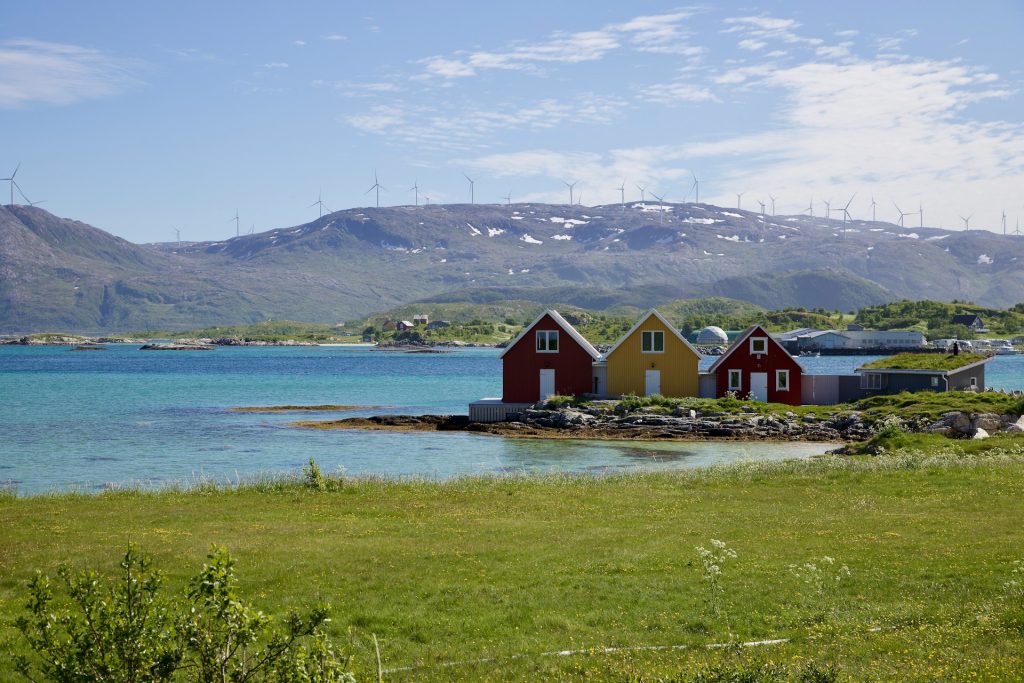
Cross the Arctic Circle and the sun simply refuses to set from roughly late May to mid July, depending on how far north you go. Lofoten, Vesterålen, Senja, and Tromsø are all superb bases. I like late-night beach walks on Ramberg or Uttakleiv in Lofoten when the light turns peach and the mountains look like paper cutouts.
Use the extra daylight for relaxed, low-stress adventures. Hike short trails after dinner, paddle a fjord at 11 p.m., or take a wildlife RIB safari in Andenes to spot whales. Bring a sleep mask if you need darkness. Many accommodations have good blackout curtains, but the sky will still be bright at odd hours and your body might be confused the first few nights.
Mix In City Days
Oslo is perfect in summer. The city has opened itself to the water with seaside promenades from Sørenga to Tjuvholmen. Swim at the saltwater pools, rent a bike, or people-watch outside a bakery with a cinnamon bun. The new Munch museum and the National Museum add culture without feeling heavy in the heat. In Bergen, time your walk around Bryggen early or late to avoid cruise crowds, then ride the Fløibanen for easy views and kid-friendly trails on top. Trondheim has a gentler pace with colorful wharf houses and cozy cafes along the river Nidelva.
Check local event calendars because summer is festival season. Oslo’s parks host outdoor concerts, while Bergen’s waterfront fills with small stages and food stalls. Buying tickets earlier helps for bigger names, but many events are free and casual.
Cycle Rallarvegen and Other Scenic Trails
If you enjoy cycling, the historic Rallarvegen between Haugastøl and Flåm or Voss is a classic. The gravel road follows the railway construction route and drops from high mountain to fjord. You can rent bikes, arrange luggage transfer, and ride at your own pace with plenty of photo stops. On sunny days, the mountain lakes look like mirrors and the snow pockets can linger into July.
In the north, consider island-hopping by bike across Helgeland’s coastline. Ferries link low-traffic islands with white sand beaches and lime-green water that looks more Caribbean than Arctic if the sun cooperates.
Try Glacier Hiking Safely
Summer is the season for guided glacier walks. Folgefonna and Jostedalsbreen have reputable guiding companies that provide crampons, harnesses, and an education in moving safely on ice. A short blue-ice tour with an experienced guide is friendly for first-timers and gives you a tangible sense of Norway’s ice heritage. Do not step onto a glacier without a guide. Crevasses and meltwater channels are not obvious until they are too obvious.
Paddle, Fish, and Swim
Norwegians have a quiet tradition of those three little words: fishing license sorted. Many lakes and rivers require a local permit that is easy to buy online or at sports shops. Sea fishing is generally free, and mackerel run close to shore in mid to late summer. A simple handline from a pier can provide dinner, and every cabin seems to have a skillet for it.
Kayaking is everywhere now, from city harbors to still lakes in the woods. If you are new, book a guided paddle to learn basic strokes and tips for reading wind and waves. Swimming spots are signed in towns and on lakeshores. On hot days the entire country collectively decides to jump in after work.
Sleep Like a Local: Cabins, Camping, and DNT Huts
A summer weekend in a hytte, a simple cabin, is as Norwegian as it gets. Many rentals are modest but sit beside lakes or trailheads. If you prefer moving hut to hut, look at the DNT system, our national trekking association. Their staffed and self-service cabins form a web across the mountains, and the experience is cozy in a very practical way. Expect bunks, shared kitchens, and trail chatter over dinner.
Wild camping is allowed by the Right to Roam, with a few rules. Pitch your tent at least 150 meters from the nearest house or cabin, stay no more than two nights in the same spot on cultivated land, and leave no trace. In practice, this means you can tuck into a lakeside clearing and wake to a mirror-calm morning, which is exactly as good as it sounds.
Taste Summer: Berries, Cider, and Shrimp on the Pier
Summer food here is simple. Strawberries arrive in June and they are sweet from long daylight hours. Roadside stands operate on the honor system, which still makes me smile. Along the Oslofjord and southern coast, buy fresh shrimp and peel them right on the dock with a squeeze of lemon and white bread. In Hardanger, the cider farms have become destinations, and tasting flights in a sunny orchard is an easy afternoon.
Vegetarians and vegans are well catered in cities, with plenty of seasonal ingredients showing up on menus. For self-catering road trips, supermarket picnic dinners are a budget-friendly ritual.
Take the Rail Routes With Views
The Bergen Line between Oslo and Bergen crosses Europe’s highest mountain plateau and is a comfortable way to see big scenery without driving. The Flåm Railway connection down to the fjord is famous for the switchbacks and waterfalls, and in summer the valley glows green. The Rauma Line near Åndalsnes runs past Trollveggen and might be the most photogenic of the bunch. Rail journeys pair well with short hikes right from the stations.
Go North Enough to Meet Reindeer and Sámi Culture
In Finnmark and parts of Troms, summer is reindeer season on the tundra. Visit small museums or cultural centers that share Sámi history and handicraft traditions. Many places offer gentle reindeer experiences that are respectful and informative. If you meet a herd crossing the road, stop and let them decide the schedule. They usually do.
Detours to Svalbard
If you’re tempted by the high Arctic, summer opens Svalbard’s boat routes to ghost towns and calving glaciers. Longyearbyen is an easy base with guided hikes on the tundra and visits to seed vault exhibits. Polar bears are a real hazard outside settlements, so all trips beyond town must be guided or properly planned with safety equipment. The light is relentless and beautiful, and a late-night fjord cruise under the sun is hard to forget.
Practical Packing and Planning Tips
Summer temperatures vary widely by region and elevation. Oslo can feel summery in the mid 70s Fahrenheit, while a mountain pass might be in the 40s. Pack layers, a waterproof jacket, and real hiking shoes if you plan to walk on anything rough. Add a hat for sun, a sleep mask for the north, and insect repellent for forest and marshy areas.
Book early for July if you want specific hotels or cabins in Lofoten, Geiranger, or along famous routes. Public transport is reliable and reaches more trailheads than you might expect, but car rentals give you flexibility for scenic detours and photo stops. Tolls and ferries are straightforward if you follow the signs and keep a card handy.
Respect the Outdoors
Norwegians grow up with the idea that nature is for everyone, which is a lovely privilege tied to responsibility. Pack out your trash, stick to marked trails above the treeline to protect fragile vegetation, and give wildlife space. If a rescue volunteer offers advice at a trailhead about weather or timing, take it seriously. Those people know the mountain better than any app.
A Sample One-Week Summer Plan
If you want a balanced week: start with two nights in Oslo to reset and enjoy the harbor, museums, and a swim. Take the Bergen Line to Voss or Flåm and spend two nights exploring the fjords by boat and on a short hike. Pick up a car and drive Hardangerfjord for orchards and a glacier walk. Finish with two nights in Bergen, riding the funicular for an evening stroll on the mountain and listening to buskers along the waterfront. If you have a few extra days, fly north to Tromsø or Svolvær to feel the midnight sun on your face and end your trip with a late-night beach picnic.
Norwegian summers are generous but brief, like a long conversation with a friend who has a train to catch. Make the most of the light, keep your plans flexible, and let the landscape set your pace. The best days here are rarely the ones where you do everything. They are the ones where time stretches, the coffee tastes better outside, and the sun takes its time heading toward tomorrow.