Tromsø sits high above the Arctic Circle and still feels surprisingly easy to reach. Whether you’re flying in to chase the northern lights, road tripping along the coast, or riding the coastal express through island-studded waters, you have several good options from anywhere in Norway. As a born-and-raised Norwegian who has done these routes more times than I can count, I’ll walk you through the most practical ways to get to Tromsø from Oslo, Bergen, Trondheim, Stavanger, Kristiansand, Ålesund, Bodø, and Narvik, plus what to expect in different seasons.
Short answer: flying is by far the fastest and most reliable way year-round, with multiple daily departures from Oslo and frequent direct services from several other cities. If you prefer a scenic journey, combine train to Bodø or Narvik + long-distance bus or take the coastal express from Bergen north to Tromsø. Driving is absolutely possible and very rewarding, but in winter you need to prepare for snow, ice, and weather-related delays.
Let’s take a deeper dive into the best routes, smart timing, and the small but important details that make Arctic travel go smoothly.
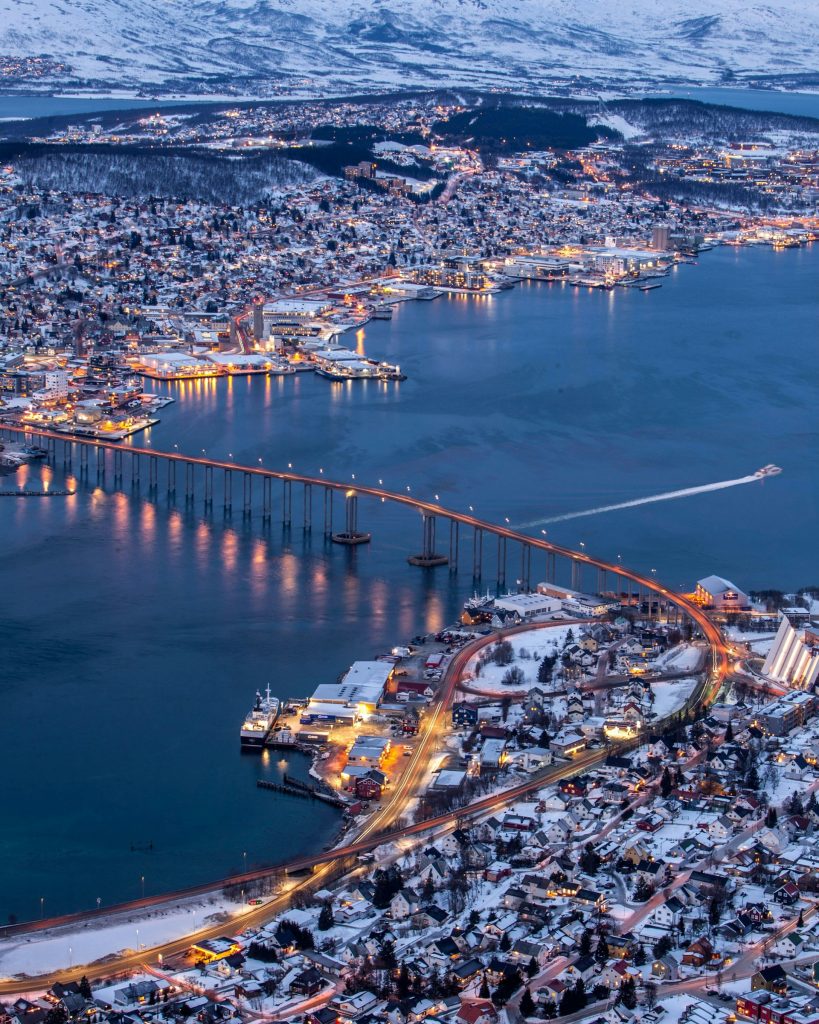
Oslo to Tromsø
Flying is the no-brainer here. There are several daily nonstops, and even with winter weather it’s usually smooth. Flight time typically sits around two hours. Book early in the peak seasons: mid-June to mid-August and late November to March.
If you want a more adventurous route without flying the whole way, ride the train north from Oslo via Trondheim to Bodø. From Bodø, switch to a long-distance bus all the way to Tromsø. This is a beautiful journey through Nordland and Troms, but you’ll need to plan for a full day on the road after the train. In winter, buses run, but expect slower progress and occasional delays.
Driving from Oslo is a proper expedition and very satisfying if you enjoy long-distance road trips. Expect roughly 1,700 kilometers depending on whether you choose the inland E6 most of the way or mix in coastal segments. In summer, figure on two long driving days with an overnight in central or northern Nordland. In winter, budget extra time and check road conditions before you set off. You’ll meet mountain passes, wind, and drifting snow. Good winter tires are mandatory in season, and I always carry a shovel and warm layers in the car.
Bergen to Tromsø
Bergen gives you the most scenic non-flying route of them all: the coastal express. You can board in Bergen and sail all the way to Tromsø with stops along Norway’s coast. It’s slower than flying but unforgettable, and it runs year-round. If you have time and want the classic Norwegian coast experience, this is the one.
Flying is also straightforward, with seasonal direct flights and easy connections via Oslo or Trondheim when direct service isn’t available. Expect a little under two hours nonstop when offered, or about three to four hours with a connection.
Driving from Bergen is long but beautiful. You’ll thread fjords, mountains, and open coast before moving into the dramatic landscapes of Northern Norway. Plan at least two days in summer, three if you actually want to enjoy it. In winter, add slack to your schedule and be realistic about daylight. In December and January, you’ll have limited daylight up north, so try to time the more challenging stretches for midday.
Trondheim to Tromsø
From Trondheim, flying is quick, usually around an hour and a bit on a direct service. If a nonstop isn’t available, a short connection via Bodø or Oslo does the trick.
For rail fans, take the train from Trondheim to Bodø along the Nordland Line, one of the great railway journeys in Norway. Many travelers book the night train to save a day, then continue by bus to Tromsø. It’s comfortable, scenic, and a very Norwegian way to move through the country.
Driving is quite manageable compared to starting farther south. You can often do it in a long day during summer, although I recommend splitting it for sanity and for the views. Watch for reindeer on the road in the north, especially in the shoulder seasons and at night.
Stavanger to Tromsø
Stavanger has fewer direct air links, so flying usually means a connection via Oslo, Bergen, or Trondheim. It’s still the fastest option overall, generally taking a few hours total.
The driving route is long and logistically busier than from Oslo or Bergen because of the extra fjord country between you and the E6 north. Summer drivers can turn it into a multi-day road trip. In winter, this is one I’d only do if you’re prepared and flexible with timing.
If you like the sea route, you can position to Bergen by road or short flight and then board the coastal express onward to Tromsø.
Kristiansand to Tromsø
From Kristiansand, flying typically involves a connection, most commonly via Oslo. It’s a simple process, with schedules built to feed northern flights.
Driving is the longest of the “southern starts.” If you want to make it a trip, consider following the coast to Bergen first, then either sail north or cut inland to the E6. Again, winter travel demands extra caution, especially once you pass central Norway.
Ålesund to Tromsø
Flights from Ålesund usually connect through Oslo or Trondheim, both of which are efficient hubs for Tromsø-bound travelers.
A road trip from Ålesund is wonderful in summer: fjords, bridges, and island chains, then the big skies further north. Plan for at least two days, and remember that northern daylight changes everything. In late June and early July, you get near-endless light north of the Arctic Circle, which makes long driving days easier.
Bodø to Tromsø
This is one of the classic legs of northern travel. Flying is just a short hop and often runs several times a day.
By land, it’s a full-day bus ride through proper Arctic scenery. You’ll cross islands, straits, and sweeping valleys before the final approach to Tromsø. In summer, it’s a delight. In winter, it’s reliable but slower, and wind can cause short-notice changes. Pack water, snacks, and patience.
Driving is straightforward if you’re comfortable with northern conditions. Give yourself time to stop; the scenery between Nordland and Troms is some of my favorite in the country.
Narvik to Tromsø
Narvik is the most convenient land gateway to Tromsø. There are frequent buses connecting the two, typically taking around four hours. In winter, these buses are a lifeline and usually handle the weather well.
If you’re arriving by train from Sweden to Narvik, the transition to the Tromsø bus is easy. Drivers will often coordinate luggage changes without fuss, but always allow a buffer just in case.
Driving your own car from Narvik is a lovely half-day in summer. In winter, expect snow-packed roads and occasional wind closures on exposed stretches. Locals drive it all year; just move with the conditions and avoid tight deadlines.
Alta to Tromsø
Alta is in Finnmark, east of Tromsø, and has both flights and buses headed west. Flying is quick, and buses take longer but are scenic, especially in early spring when the light returns. If you’re doing a winter loop across the north, this is a satisfying leg.
Coastal Express: Bergen to Tromsø (and beyond)
If you want the journey to be part of the experience, the coastal express is the classic way. You can board in Bergen, sail past Ålesund and Trondheim, skirt the Lofoten Wall near Bodø, and continue into Tromsø’s archipelago. Ships operate year-round, with daily or near-daily departures depending on season. Winter brings moody skies and the chance of aurora at sea; summer delivers midnight sun and mirror-smooth mornings. You can also embark or disembark in intermediate ports if you want a hybrid sea/land itinerary.
Seasonal Factors You Should Actually Plan Around
Winter: From roughly late October to April, expect snow and ice north of Trondheim. Flights operate, but high winds can ripple the schedule. For road trips, run proper winter tires, carry warm gear, and keep flexible plans. If you are not used to icy roads, consider flying or using the train-and-bus combo.
Summer: Roads are clear, mountain passes are open, and daylight is your friend. You can cover long distances safely if you pace yourself. Book transport and accommodation early in July and early August.
Shoulder seasons: Spring thaw and autumn storms can bring temporary closures or slowdowns. If you’re connecting from a long-distance train to a bus in the north, build in a buffer.
Smart Booking Tips From Someone Who’s Learned The Hard Way
- Aim for morning flights if you have onward plans the same day. Morning departures are less exposed to the cumulative delays that can build up.
- Check the full journey time door to door. A nonstop flight beats a cheaper ticket with a long layover, especially in winter when you want extra daylight on arrival.
- If you’re chasing the northern lights, arrive with at least three nights in Tromsø to balance weather odds. Transport disruptions feel different when you’ve built slack into your plan.
- For train + bus itineraries, an overnight in Bodø or Narvik turns the journey into two enjoyable days instead of one long slog.
- For drivers, keep fuel topped up in rural stretches and watch for wildlife, especially reindeer. They don’t care about your schedule.
Quick City-by-City Cheatsheet
- Oslo: Fly nonstop; or train to Bodø + bus; or a multi-day drive via E6.
- Bergen: Fly or take the coastal express; driving is gorgeous but long.
- Trondheim: Fly nonstop; or train to Bodø + bus; driving is feasible in a long summer day.
- Stavanger: Fly with a connection; drive only if you want a longer road trip; or position to Bergen and sail.
- Kristiansand: Fly via Oslo; driving is the longest southern option.
- Ålesund: Fly via Oslo or Trondheim; road trip is excellent in summer.
- Bodø: Short flight; or full-day bus; straightforward drive.
- Narvik: Frequent buses to Tromsø; easy self-drive; good link if you’re coming by train from Sweden.
- Alta: Short flights and bus options; good as part of a northern loop.
Tromsø rewards the extra effort with vibrant Arctic city life, crisp sea air, and quick access to wild landscapes. Choose the route that matches your time, season, and appetite for the journey itself, and you’ll arrive ready to enjoy the north.