Perched on a sheer cliff over the Arctic Ocean, the North Cape, or Nordkapp, is one of those places that makes your inner compass do a small backflip. At 71 degrees north, the weather can turn in minutes, the light is otherworldly, and the famous steel Globe feels like a marker at the edge of the map. Whether you come for the midnight sun, the northern lights, or the bragging rights of reaching the end of the road, the North Cape rewards anyone who makes the journey.
If you are wondering whether the North Cape is worth the effort, the short answer is yes, especially if you plan your timing. From about mid-May to late July you can stand in bright daylight at midnight, and from September to March the aurora often dances over the plateau. There is a visitor center, a cinema, a café to warm up in, and a view that changes expression every few minutes. One key clarification, though: the North Cape sits on the island of Magerøya and is often called the northernmost point reachable by car in Europe, but the actual northernmost point on Magerøya is the nearby headland Knivskjellodden, which you can hike to.
Let’s take a deeper dive into the world of the North Cape and map out a smooth, memorable visit.
Getting Oriented: What Exactly Is the North Cape
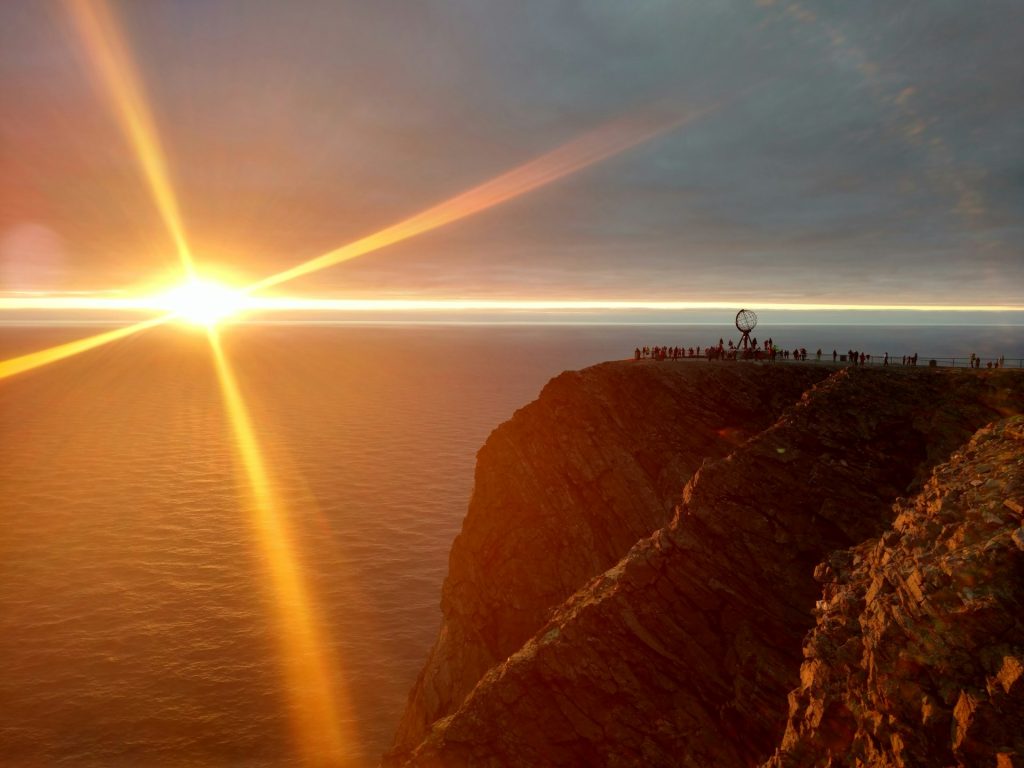
The North Cape is a wide, windswept plateau that sits about 307 meters above the sea. The cliff drops straight into the Barents Sea, which is part of the Arctic Ocean. On the plateau you will find the Globe sculpture, the Nordkapphallen visitor center with a panoramic film, exhibitions, a small chapel, a café and restaurant, and a gift shop. The service town for the North Cape is Honningsvåg on the island of Magerøya, connected to the mainland by the undersea North Cape Tunnel. Signs and facilities are bilingual, and bank cards are widely accepted.
A long-running debate often pops up: is this the northernmost point of Europe. The short version is that the North Cape is the best known and most accessible northern viewpoint by road, while the northernmost point of mainland Europe is Kinnarodden on the Nordkinn Peninsula, and the northernmost point of Magerøya lies at Knivskjellodden, a hike from the road.
Best Time To Visit
Midnight sun: Roughly mid-May to late July, the sun does not set. Expect soft, golden light around midnight and very long days. This is the high season, with tour buses, cruise guests, and more predictable road access.
Northern lights: September through March brings dark skies and a good chance of aurora on clear nights. The plateau is spectacular in winter, but conditions are Arctic. Expect wind, snow, and escorted convoys on the final stretch of road when weather requires it.
Shoulder seasons: April, early May, and late August can be beautiful and quieter. Snow may still linger in spring, and weather can flip between sunshine and horizontal sleet. Come prepared with layers.
Weather reality check: Even in July, the temperature can feel like October. Wind is the rule, not the exception. Views can be foggy one minute and crystal clear the next. Build in time and flexibility.
How To Get There
By car: Follow E69 from the mainland through the North Cape Tunnel to Honningsvåg, then continue to the plateau. The road is paved and well maintained. In winter, the last section to the North Cape can be opened only by escorted convoys at set times. Arrive early, carry warm gear, and comply with staff instructions.
By bus: In summer there are seasonal buses between Honningsvåg and the North Cape, often timed to cruise arrivals. In winter, departures depend on convoy schedules and conditions.
By sea: The Hurtigruten and Havila coastal ships call at Honningsvåg year-round, with optional excursions to the North Cape. This is a simple way to pair the plateau with a classic coastal voyage.
By air: Widerøe flies to Honningsvåg Airport, Valan from regional hubs. Many visitors also fly into Alta and drive north along a scenic route that follows fjords and tundra.
Parking and entry: There is a large parking area at the plateau, and the visitor center charges an entry fee that typically includes multiple-day access. Prices and inclusions change from season to season, so check what your ticket covers. If you only want the hike to Knivskjellodden, park at that trailhead instead of driving on to the visitor center.
What To See And Do On The Plateau
The Globe: The photo everyone takes, especially around midnight. On clear nights you get a deep Arctic blue on one side and the low sun on the other.
Nordkapphallen: Warm up with coffee, watch the panoramic film that tells the story of the Cape through the seasons, walk the exhibits, and duck into the small chapel. On rough days, having this shelter is priceless.
The Children of the Earth monument: A circle of seven figures looking out to sea, created by young artists from around the world. In bad weather it looks stoic and somehow very fitting.
Birdlife and sea views: Keep an eye out for fulmars riding the wind and the occasional white-tailed eagle. On calm days the sea looks folded like silk, on wild days it splinters into white streaks.
Stay for two looks: If time allows, see the Cape twice, once in full daylight and again around midnight or in darkness for aurora. Your ticket usually allows returns within a set window, which is perfect for waiting out stubborn fog.
Short Hikes And Nearby Viewpoints
Knivskjellodden: A well-marked but long day hike of about 18 kilometers round trip from the signed trailhead before the North Cape parking. The trail undulates across tundra and rock, ending at a low headland that is actually farther north than the North Cape cliff. The view back toward the plateau is superb. Carry water, snacks, and layers, and start early.
Kirkeporten: Near Skarsvåg, a gentle walk brings you to a natural rock arch framing the North Cape in the distance. It is a great choice if you want a shorter outing with a big payoff.
Coast rambles: Around Magerøya you will find short marked paths to lakes and viewpoints. Even small detours off the main road can put you in the middle of rolling tundra, with only the wind for company.
Side Trips You Should Seriously Consider
Gjesværstappan bird safari: Boat trips from Gjesvær visit the sea cliffs that host puffins, kittiwakes, guillemots, and gannets in summer. Best months are roughly May to August, when colonies are most active. Dress for spray, bring binoculars, and enjoy the soundscape.
Honningsvåg: Visit the small harbor, the local museum, and the church that survived the wartime burning of Finnmark. If your schedule is tight, at least leave time to wander the waterfront.
Kamøyvær and Skarsvåg: Fishing villages with art studios, cafés in season, and good access to short coastal walks. Give yourself permission to sit with a waffle and watch the weather roll through.
Where To Eat And Sleep
Base in Honningsvåg for the most options. You will find hotels, guesthouses, and simple apartments. In high season, book ahead. If you prefer quieter nights, look at small places in Skarsvåg, Kamøyvær, or Gjesvær.
Eating: Seafood is the smart order, from cod and king crab to simple fish soup that tastes best after a windy walk. Cafés serve reliable Arctic staples, and you can stock up at local supermarkets if you plan to picnic on the plateau or trail.
Camping and campervans: There are campsites around Magerøya with facilities. Norway’s outdoor access rights allow limited wild camping, but near settlements and along the E69 you will see clearly posted restrictions. Respect signs, keep well away from homes and reindeer fences, and leave no trace.
Practical Tips That Make A Big Difference
Clothing: Always pack windproof and waterproof outer layers, warm mid-layers, hat and gloves even in July, and sturdy shoes. On bright days sunglasses are essential, and in midsummer a light eye mask helps you sleep.
Timing: If the forecast looks cloudy, do not give up. Fog can clear in minutes. Use your ticket’s reentry window to your advantage.
Driving: Fill your tank or charge your battery before heading up. Watch for reindeer on the road, particularly in summer. In winter, check convoy times and be early.
Tech: Bring a power bank and keep your phone warm to save battery in the cold. For aurora, a camera that allows manual settings and a small tripod will pay off immediately.
Cash vs cards: Cards are accepted almost everywhere. Still, carrying a small amount of cash can help in tiny cafés or for donations.
Respect: Do not cross fences or barriers on the cliff, and keep distance from reindeer. The tundra is fragile. Stay on marked paths and pack out everything you bring.
One To Three Day Ideas
One Day: Morning in Honningsvåg, midday at the North Cape with the film and exhibitions, late walk to Kirkeporten, then return to the plateau around midnight for the sun hanging low over the sea.
Two Days: Add the Gjesværstappan bird safari, linger in Gjesvær for coffee, and leave time for a slow coastal drive with photo stops. If you catch fog at the Cape on day one, use day two for a clear window.
Three Days: Work in the Knivskjellodden hike, an evening wander in Kamøyvær, and perhaps a first or last night in Alta to enjoy the long fjord drive and good restaurants before or after Magerøya.
Frequently Asked Questions
Is the North Cape open in winter. Yes, but access to the plateau often runs by escorted convoy during storms or heavy snow. Schedules vary by conditions. Dress warmly and plan flexibly.
Will I definitely see the northern lights. No one can guarantee the aurora. You need dark, clear skies and some solar activity. The season runs September to March. Even in prime season, clouds can block the show, so give yourself more than one night.
When is the midnight sun visible. Roughly mid-May to late July, with exact dates shifting slightly each year. If you want that classic midnight photo at the Globe, plan your trip in this window.
Is there an entrance fee. Yes, the visitor center charges for access to the facilities and plateau area, often with the option to return within a set window. Check the current details before you go.
Is the North Cape really the northernmost point in Europe. It is the most famous northern viewpoint with road access. If you want the true superlative on Magerøya, hike to Knivskjellodden. If you chase mainland extremes, research Kinnarodden. Most travelers are here for the experience, not the semantics.
Can I visit with limited mobility. Yes. The plateau area and visitor center are on one level with ramps and accessible facilities. In poor weather the indoor areas are a welcome refuge.
What about bugs. Wind keeps the plateau fairly clear, but in sheltered spots in midsummer you may meet mosquitoes or midges. Pack repellent just in case.
A Final Nudge
The North Cape rewards patience. Give yourself time, dress for the Arctic, and let the weather do what it does. If you build your visit around that mindset, you will catch at least one moment when it all lines up, the sea goes quiet, and the world feels very large and very simple. That is the real reason people keep making their way to 71 degrees north.