Norway in 2025 is a small country by headcount but big in space and quality of life. If you’re planning a visit, a move, or just curious about who lives up here at the top of Europe, understanding the population picture helps explain everything from why our cities feel calm to why trains can be quiet outside rush hour. You’ll also get a sense of where the jobs, schools, and cultural scenes cluster.
Short answer: Norway counts a little over 5.6 million residents in 2025. Population growth is steady rather than explosive, driven mostly by immigration and longer life expectancy rather than high birth rates. Most people live in the south and along the coast, with the Oslo region by far the largest urban area. If you’re visiting, you’ll feel the difference between the lively cities and the open, sparsely populated fjord country within a couple of hours.
Let’s take a deeper look at how Norway’s population is shaped this year, and what that means in practical terms for travel, study, and life here.
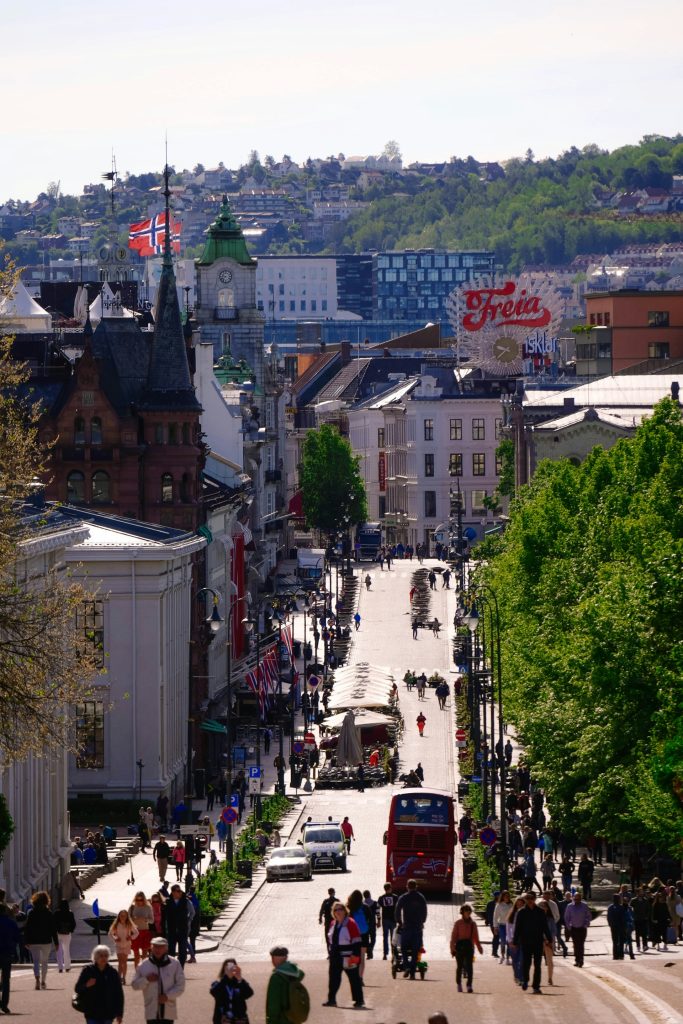
How Many People Live in Norway in 2025
Norway’s population sits just above 5.6 million in 2025. For context, that’s roughly the size of a midsized U.S. state, spread across a long, mountainous country about the size of California. What you’ll notice on the ground is an efficient, well-run society that never feels crowded, except in a few summer hotspots when everyone shows up at once.
Growth has been gradual over the last decade. We don’t have a baby boom; instead, net immigration and increasing longevity do most of the work. That steady pace helps Norway plan housing, schools, and transport without the whiplash you see in places that grow too fast.
Where People Live: Oslo and the Coastal Belt
If you open a map and draw a big circle around the Oslofjord region, you’ll capture the country’s busiest population hub. Oslo is Norway’s largest city and the heart of government, finance, tech, startups, universities, and culture. Bergen on the west coast is our maritime and energy powerhouse with a strong arts scene. Trondheim is the historic and engineering brain of the country, and Stavanger/Sandnes forms the core of the offshore and energy cluster.
A few practical notes if you’re traveling:
- Expect the best public transport around Oslo, Bergen, and Trondheim. In rural areas, buses are good but infrequent. Plan ahead.
- Norway’s famous sights are often outside the biggest cities, so count on transfers. It’s common to fly into Oslo and hop a domestic flight or long-distance train onward.
- Accommodation in popular coastal towns and fjord villages can be tight in July and early August because the local population is small and capacity is limited. Book early.
Urban vs. Rural: One Country, Two Tempos
Around four out of five residents live in “tettsteder,” our term for urban settlements. Still, Norway remains a land of space. Outside the urban corridors, you’ll meet small communities with strong local identities, well-kept roads, and a pace that’s more “talk to your neighbor at the shop” than “dash between meetings.” For newcomers, that can be either the charm or the challenge.
If you’re considering a move:
- City life (Oslo, Bergen, Trondheim, Stavanger/Sandnes): denser rental market, more events, easier networking, faster career starts.
- Smaller towns: closer to nature, shorter commutes, easier path to buying a home, and the chance to integrate deeply in local clubs and communities. Just be ready for limited nightlife and fewer international schools.
Age Structure: Getting Older, Staying Active
Like its Nordic neighbors, Norway is aging, though not dramatically compared with parts of continental Europe. Life expectancy is high and most older Norwegians remain very active. You’ll see them hiking local trails and skiing well into their 70s. The practical effect is a healthcare system focused on prevention and a steady demand for skilled workers in health and social services.
For workers from abroad, that’s useful to know: healthcare, engineering, construction, IT, education, and energy are the most consistently hungry sectors.
Fertility, Families, and Daycare
Norway’s birth rate is low by historical standards, and has been hovering around the low-to-mid 1-point-something range for years. Families are smaller, and people often have children later. The state leans in with robust support:
- Heavily subsidized daycare with guaranteed slots from a certain age, making dual-career households normal rather than exceptional.
- Parental leave that is generous by global standards. The culture expects fathers to take their share, and most do.
- Child benefits that help with the basics, regardless of income.
If you’re moving with kids, you’ll find excellent public preschools and schools, and a culture that values balanced childhoods with lots of outdoor time.
Immigration and Diversity
Norway in 2025 is more diverse than at any point in its modern history. Immigration has been the major engine of growth for over a decade. In Oslo, you’ll hear dozens of languages on a single tram ride, and food options reflect that mix. Diversity is most visible in the larger cities, but even small towns have become more international through work migration, especially in healthcare, hospitality, aquaculture, and construction.
For newcomers: English gets you far, particularly in cities and white-collar jobs. Still, learning Norwegian matters for long-term integration, public-sector roles, and building local friendships. It’s also the key to fully understanding the unwritten rules, which we have in abundance.
The Indigenous Sami and Northern Norway
The Sami are the Indigenous people of the north, with communities across Norway, Sweden, Finland, and Russia’s Kola Peninsula. In Norway, Sami culture and language have constitutional recognition, and the Sami Parliament (Sámediggi) is based in Karasjok. You’ll see bilingual signage in parts of the north, and reindeer herding remains culturally and economically important.
Travelers often underestimate how far and sparsely populated the north is. Distances are large and weather can be fierce in winter. Plan your routes carefully, especially between Tromsø, Finnmark, and the inland plateaus.
Population Density and Space: Why It Feels So Open
Norway’s population density is low, thanks to mountains, forests, and long stretches of rocky coast. The density you feel on the ground varies wildly: in central Oslo, you’re on lively streets lined with cafés; two hours later you could be alone on a forest trail. This contrast is part of the country’s rhythm. It’s also why we care so much about public access rights (allemannsretten) and maintaining trails, cabins, and ferries that keep remote areas accessible.
If you’re road-tripping, the “empty” sections between highlights aren’t filler. They’re part of the experience: waterfalls between tunnels, sheep in the road, quiet ferry decks with hot waffles.
Why This Demography Matters for Daily Life
A few practical ways Norway’s 2025 population profile shows up in everyday decisions:
- Housing: demand is strongest in the Oslo region and the big university cities. If you want lower prices and more space, look a train line or two away.
- Jobs: labor shortages wax and wane, but tech, healthcare, energy, and skilled trades stay resilient. Rural municipalities often recruit internationally to fill roles.
- Transport: more people in cities means better transit frequency there. In rural areas, you plan around bus and ferry schedules and lean on rental cars for flexibility.
- Tourism: small local populations mean limited capacity at famous sites. Booking ahead and traveling outside peak weeks can transform your trip.
Looking Ahead: 2030s on the Horizon
Barring major shocks, expect Norway to grow modestly through the late 2020s, stay highly urbanized, and keep relying on international talent alongside homegrown graduates. The tug-of-war between protecting nature and welcoming more visitors will continue. So will the work of keeping remote communities vibrant as career opportunities cluster in hubs.
If you’re visiting, you’ll find a country that’s easy to navigate and full of elbow room. If you’re moving, you’ll discover a society that runs on trust, schedules, and a deep affection for everyday outdoor life. In a place with just over 5.6 million people, that combination still goes a surprisingly long way.