Renting a car in Oslo can be wonderfully straightforward if you know a few local quirks. Whether you are flying into Gardermoen, arriving by train, or already in the city center, the rental experience in Norway is clean, efficient, and polite. The real questions are where to pick up, what to book, and how to handle things like winter tires, tolls, and parking.
If you simply want the short answer: book early, pick up at Oslo Airport if you are planning day trips, choose a compact automatic or an electric car if you will be in the city, and make sure your rate includes proper insurance and winter-ready tires in the colder months. Tolls are automatic, parking is app based, and road rules are strict but predictable.
Ready to get into the details that save money and time on the ground. Let’s take a deeper dive into how to rent a car in Oslo.
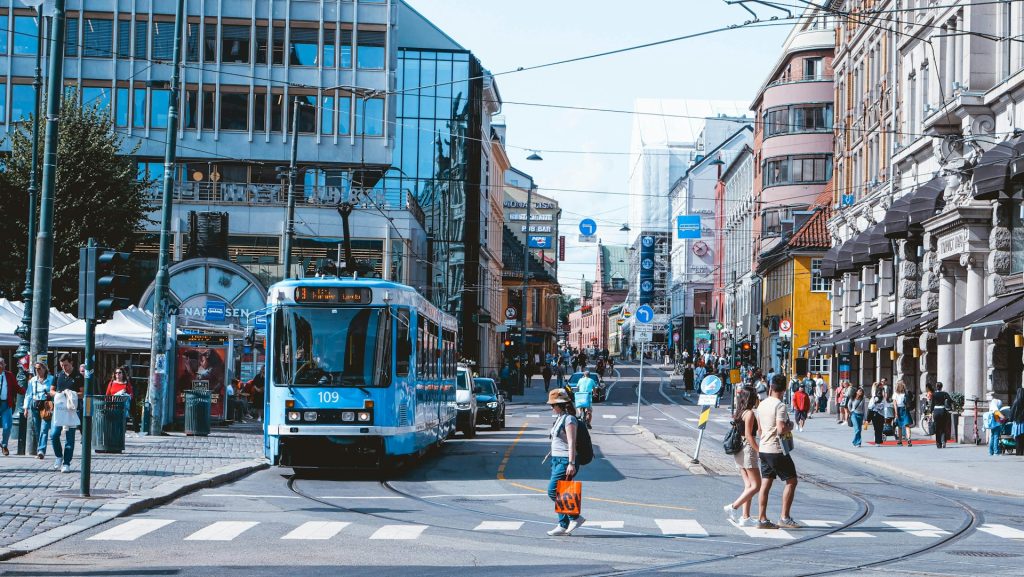
Where to pick up your rental: airport or city center
Most travelers land at Oslo Airport Gardermoen, which sits about 45 kilometers north of the city. Airport pickup gives you the widest choice of cars and the smoothest start for road trips to places like Lillehammer, the Oslofjord islands by ferry, or the Gudbrandsdalen valley. If your plan is a city stay with only one or two day trips, picking up at the airport when you land, then returning in the city center before you switch to city sightseeing, works well.
City pickups are clustered around Oslo Central Station and the western side of downtown. They are convenient if you are finishing a rail leg or want to avoid driving straight after a long flight. Expect smaller lots and tighter pickup windows in the city compared to the airport. If you are nervous about narrow streets, aim for an early morning pickup when traffic is lighter.
My local tip: if your itinerary includes a weekend in the city and then a fjord loop, do Oslo on foot and by tram first. Pick up the car the morning you leave town. You will avoid two days of parking fees and a bit of city driving stress.
Driver requirements you should prepare
Norway keeps it simple, but it is strict. Bring these three things and you will be fine.
- A valid driver’s license in Latin characters from your home country. If your license uses a different alphabet, get an International Driving Permit.
- A credit card in the primary driver’s name. Debit cards are often refused for deposits.
- Proof you meet the age policy. Many agencies rent from 19 or 21 years old and charge a young driver fee until 25. Premium categories can require 25 or 30.
If you have a second driver, add them at the counter rather than hoping you can share the wheel unofficially. In Norway, insurance follows the named drivers on the contract, not whoever happens to be in the seat.
Insurance in Norway: the coverage that actually matters
The baseline is third party liability, which is standard. Then you will be offered collision damage waiver and theft protection. Choose a package with a reasonable excess and windshield coverage. Windscreens and front lights are frequent casualties on winter roads and gravel detours. If you carry a credit card benefit, confirm in advance whether it covers Norway and rental cars with winter tires or EVs. When in doubt, I prefer the rental company’s own package here. Claims are handled quickly and with less back and forth.
Winter readiness: tires, season, and safe timing
Oslo runs on seasons. From late autumn into early spring, the city and surrounding hills can be icy. Rental cars are equipped with winter or all-season tires when conditions require, and this should be included in your rate. If you are planning mountain drives, ask specifically for proper winter tires.
Studded tires are sometimes fitted on cars destined for hillier routes. In central Oslo there is a small environmental fee for cars with studs during the winter season. Your agency will tell you whether it applies to your car and how to pay it. If you are unsure, request non-studded winter tires for a city-based trip. For departure times after snowfall, plan an extra buffer. Norwegians leave early rather than rushing on ice.
Tolls, congestion charges, and ferries
Oslo uses automatic road tolls and variable pricing around the city. You do not need to do anything at the wheel. The car’s plate is read and the charges are billed back by your rental company, usually with a small admin fee. If you take ferries across the Oslofjord or on the coastal routes, the ticket is paid on the spot. Keep your receipt until your rental is closed.
Local tip: drive gently into the toll rings and focus on lane choice, not saving a few kroner. The system is cashless and fast. For road trips into Western Norway, factor in a handful of long tunnels. They are safe and efficient, but they can add modest tolls and require steady speeds.
Parking in Oslo: read the signs and use the apps
Downtown parking is a mix of street zones and garages. Prices are high, and enforcement is precise. The easiest route is to use a garage near your hotel or a P-hus close to your plans for the day. For street parking, the city’s signage is clear, but check the hours and max stay. Sundays are often more relaxed, yet not always free.
Two tips from living here. First, download a parking app like EasyPark before you arrive. You can start and stop sessions without looking for a pay station. Second, if your hotel is central and charges for overnight parking, compare their rate with a nearby public garage. Sometimes the garage is cheaper and better lit.
Choosing the right car: compact, SUV, or electric
Oslo’s streets are civilized but narrow in places. A compact hatchback or small SUV is the sweet spot for city parking and weekend trips. If you are heading for cabins or ski resorts, a small SUV with all-wheel drive is handy, though not essential on plowed E-roads.
Electric rentals are common and easy to live with. The charging network in and around Oslo is extensive. Ask your rental desk for the RFID card or app details attached to the car. For apartment hotels, look for garages with overnight charging. If your itinerary is mostly city plus short day trips, an EV is comfortable and quiet. For very long stages in the mountains, hybrid or petrol avoids planning around fast chargers in peak holiday weeks.
Manual or automatic, and what to expect at the pump
Automatics are widely available, but the share of manual gearboxes can still be higher than in North America. If you need an automatic, book it specifically and do not leave it as a “or similar” hope. At the pump, you will find petrol and diesel clearly labeled. Pick up the car with a full-to-full policy if possible, since it keeps the math simple. Fuel is expensive in Norway, so topping up outside the city core can shave a bit off the price.
One-way rentals and trips beyond Norway
One-way rentals inside Norway are common between Oslo, Bergen, Stavanger, Trondheim, and Tromsø, and they come with fees that vary a lot by season. Cross-border travel to Sweden and Denmark is usually allowed, but you must declare it at the counter so the insurance is noted on your contract. Do not assume you can take a rental to the EU mainland without telling anyone. Ferries from Oslo to Denmark are straightforward with a car, just book your vehicle passage early in summer.
Booking strategy: how to lock in a good rate
Rental prices in Oslo track demand. Summer and school holidays are busy, and so are winter weekends to ski areas. Book as early as you can for those windows and choose a flexible rate. Then check back every couple of weeks and rebook if the price drops. Aggregators are useful to compare, but once you have a sense of the market, look at the direct rate with a major provider. If you want an EV or a specific body style, reserve that exact category and avoid ambiguous labels like “mystery car.”
Pickup and return tips that smooth the day
At pickup, walk the car carefully and photograph each side plus the wheels and windscreen. Norwegians are polite, and so are the contracts, but photos are a universal language if there is a disagreement later. Confirm the spare tire or inflator kit is present, and ask where the charging cable or fuel cap release is hidden. Set the GPS or phone mount while you are still parked.
For returns, allow a little time buffer. Oslo traffic is usually orderly, but a summer shower or a winter flurry can slow everything. Refuel or recharge to the agreed level and keep the receipt until your credit card finalizes. If you are returning to the city and catching a train or ferry, choose a station-adjacent branch to reduce luggage hauling.
Driving etiquette and speed limits
Norwegian driving culture is calm. People merge early, signal often, and respect pedestrian crossings. Speed cameras are frequent, and fines are steep. Stick to posted limits and leave extra following distance in rain or snow. On two-lane roads, slower cars pull into lay-bys to let faster traffic pass. Do the same and you will feel like a local. Headlights on, always, even in daylight.
Do you even need a car inside Oslo
Oslo is compact, green, and built for public transport. Trams, metro, and ferries cover most of what visitors want. If your plan is museums, architecture, and dining, skip the car until you are ready to explore beyond the city. The times a car really shines are day trips to the forest lakes of Nordmarka, coastal towns on the Oslofjord, ski runs in winter, or a longer loop toward Telemark or the fjords.
A simple sample plan that works
Spend two days car free. Walk Karl Johans gate, take the tram to Vigeland Park, ferry to Bygdøy for the Fram and Viking Ship museums, and ride the metro up to Frognerseteren for forest views. On day three, pick up your car early in the city and drive the Oslofjord coast south to Drøbak, or head north toward Hadeland Glassverk and the rolling countryside. Return the car in town that evening, or keep it for a few more days if you are pushing farther.
If you remember only three things: book early for summer and winter weekends, confirm winter-ready tires for cold months, and assume tolls and parking will be handled by apps and the rental company. With that, renting a car in Oslo becomes an easy part of the trip and not the stressful one.